South Llano River · South Llano River State Park
The quiet season, when the turkey roost closes
Each winter, wild turkeys gather to roost in the tall pecans along the South Llano River. The park closes part of the bottomland to keep them undisturbed, and the nights grow long and still.
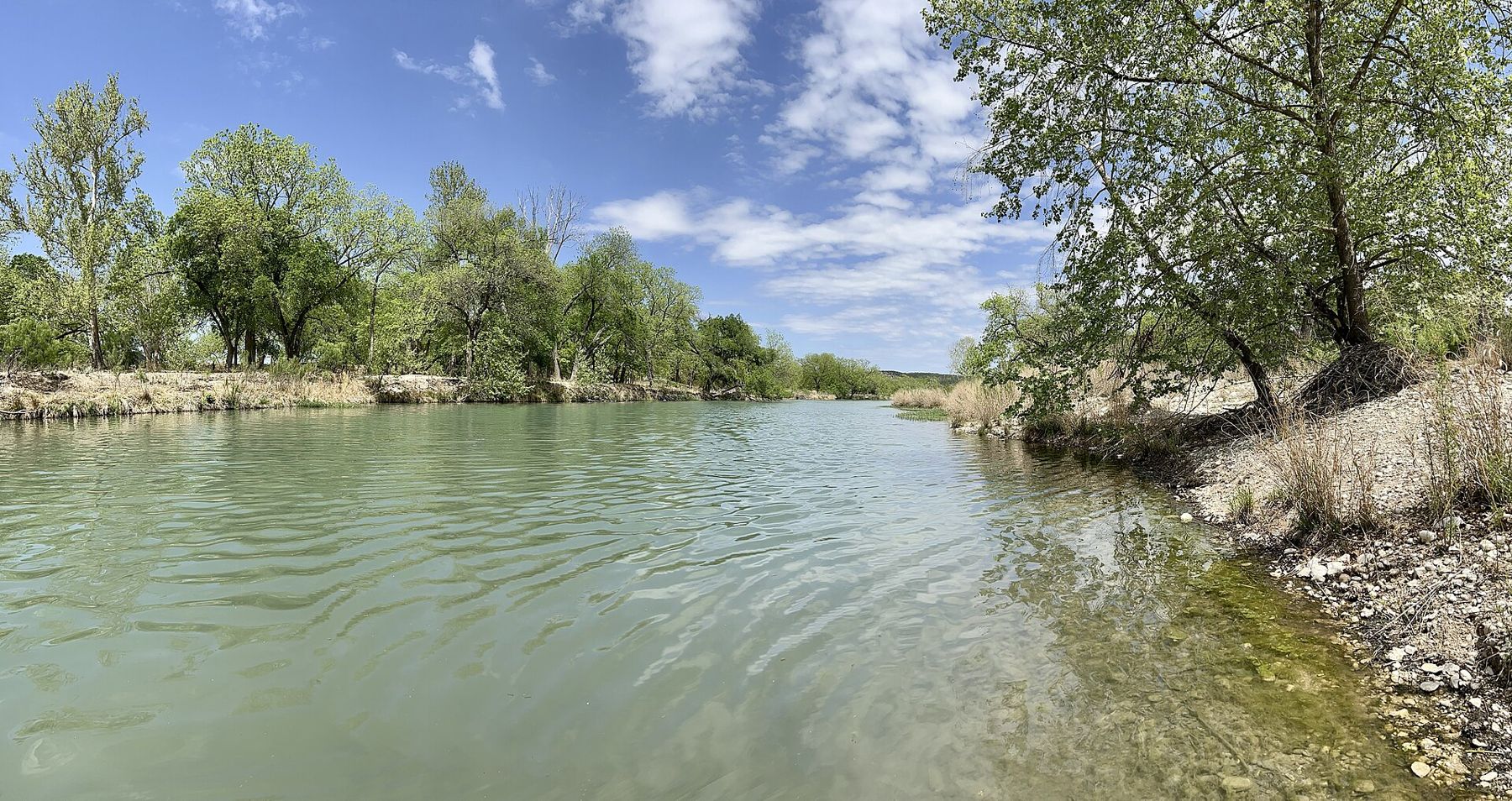
Late in the afternoon in the cooler months, the pecan bottom along the South Llano River fills with a sound like slow, heavy wingbeats. Wild turkeys are flying up into the tall trees for the night, one after another, settling on branches high above the river. By dark the flock is still and the bottomland is silent.
South Llano River State Park, near Junction, protects one of these winter roosts. For part of the year, the area around it closes to visitors. That quiet season is also a good time for the sky.
Turkeys in the pecans
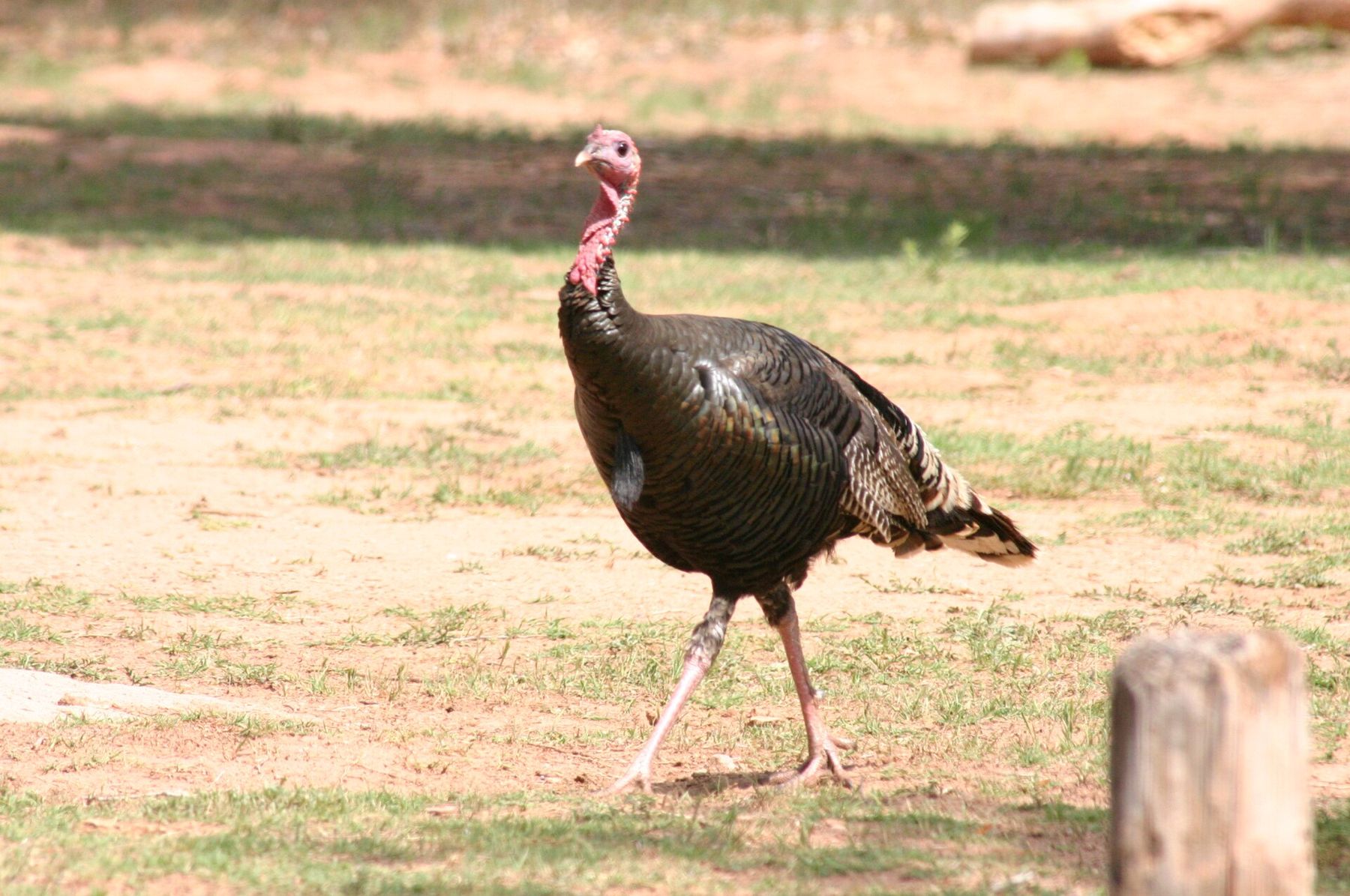
The birds here are Rio Grande wild turkeys, the kind found across much of central and western Texas. They spend the day walking and feeding on the ground, picking at seeds, nuts, insects and green shoots, and they spend the night in trees, out of reach of coyotes, bobcats and other hunters on the ground.
Tall pecans beside water are ideal roosts. In winter, turkeys from the surrounding country gather into larger flocks, and some roosts draw birds from a wide area year after year. A roost that is disturbed too often may be abandoned, and the birds may not return.
When the bottomland closes
To protect the roost, the park closes the turkey roost area to visitors during the cooler months, roughly from autumn into spring. The exact dates, and which trails, fields and areas are affected, can change from year to year. Check with the park before you go, and follow the signs and barriers when you arrive.
The closure does not shut the park. The uplands, overlooks and other areas usually stay open, and the river flows on regardless. It simply means a part of the bottomland belongs to the birds for a while, especially from late afternoon through early morning, when they are flying up, roosting and flying down.
If you are planning a night of stargazing, ask which areas are open after dark during your stay, and plan your spot around them rather than the other way round.
What quiet asks of you
Turkeys have sharp eyes and good hearing, and they are wary. A flashlight sweeping across the trees, slamming car doors or loud voices near a roost at dusk can flush birds off their branches into the dark, where they are at more risk.
- Keep well away from closed areas, especially at dusk and dawn.
- Use red light only, keep it dim, and point it at your feet.
- Talk quietly, close car doors gently, and leave music at home.
- Keep dogs on a leash and close to you.
None of this is a sacrifice for anyone watching the stars. The habits that protect the roost are exactly the habits that keep a sky dark and a night peaceful.
Winter skies over a sleeping roost
The cooler months bring the brightest stretch of the year's sky. Soon after dark, Orion climbs out of the east, with Taurus and the Pleiades above it and Gemini and Auriga to its left. Later in the evening Sirius, the brightest star in the night sky, rises below Orion and flashes low over the hills. On a clear, moonless night the faint winter Milky Way runs up through them all.
Long nights are a gift. In December the sky is fully dark not long after six in the evening, and you can see a great deal before bedtime. Mid-December also brings the Geminids, often the best meteor shower of the year, with its radiant well up by mid-evening. Read more in meteor nights on the granite.
If you have a small telescope, the winter sky is full of easy targets, and setting up on the river flats covers how to find them, within whatever areas are open during the closure.
Cold nights, short days and the river
Winter in this part of the Hill Country is mild by day and often freezing by night. The river bottom is colder still, because cold air drains down into the valley and settles there after sunset. Dress in layers, bring a hat and gloves, and sit on something that keeps you off the frozen ground.
Calm, clear, humid nights can also fill the valley with fog after midnight, sometimes in a layer thin enough that the stars still shine above it from higher ground. There is more on spotting those nights in advance in fog on the river and how to read the forecast.
Days are short in the quiet season. Arrive with plenty of daylight, learn the layout of the open areas before dark, and check the park's current gate hours and rules before you drive out.
Seeing the birds without bothering them
You do not need to enter the roost to see turkeys. They often walk through open areas of the park during the day, and the park has wildlife viewing blinds where you can sit and watch birds come to water and feed. Binoculars help. Watch from a distance, move slowly, and let the birds decide how close they come.
At dusk, if you are near the edge of an open area, you may hear the flock flying up even when you cannot see it. Stay where you are, keep still, and listen. Then turn your attention to the sky as the first stars come through above the pecans.