Davis Mountains · Fort Davis
An evening star party at the McDonald Observatory
High in the Davis Mountains, a working research observatory opens its grounds to the public on set evenings. Expect a guided tour of the sky and a look through serious telescopes.
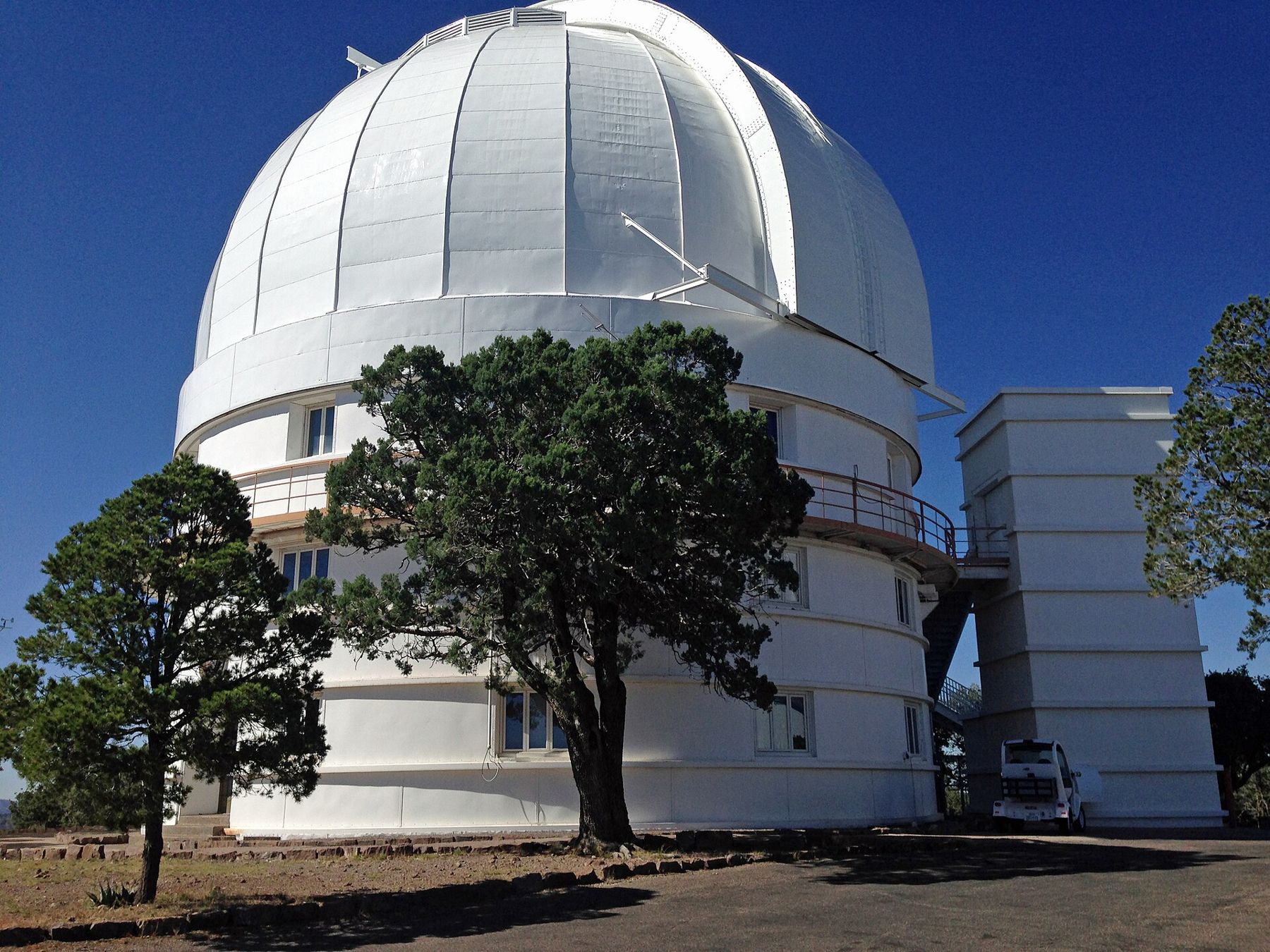
The domes come into view long before you reach them, white against the sky on top of the Davis Mountains. The McDonald Observatory, run by the University of Texas at Austin, has been doing professional astronomy here since the 1930s. On set evenings it also opens to the public for star parties, and for many people this is the first time they look at Saturn, a star cluster or the craters of the moon through a proper telescope.
This is what to expect, from the drive up to the walk back to the car.
A mountaintop built for the dark
The observatory sits on Mount Locke and neighboring Mount Fowlkes, well above the town of Fort Davis, in some of the darkest country in the continental United States. The thin, dry air and the distance from big cities are why astronomers chose the site.
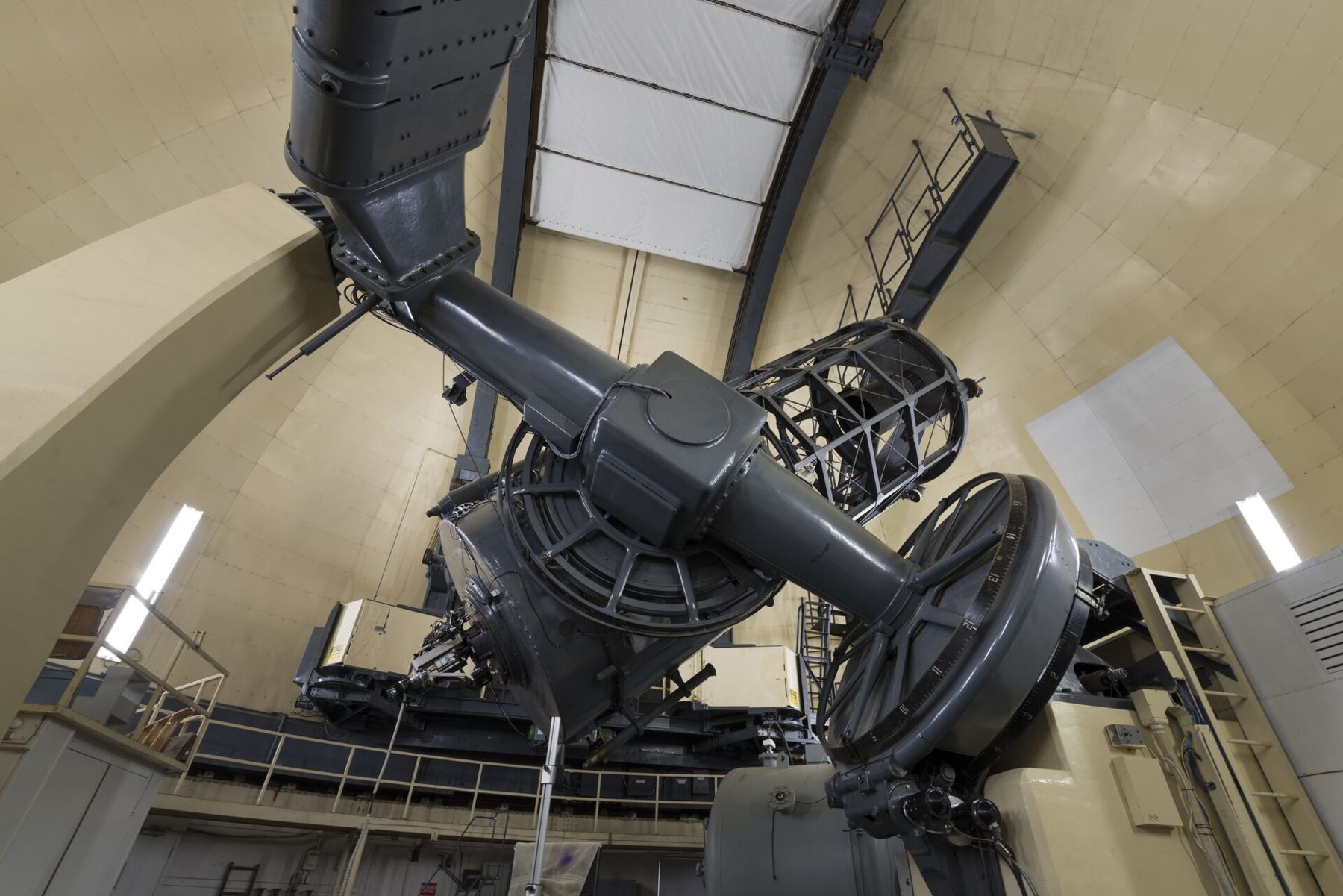
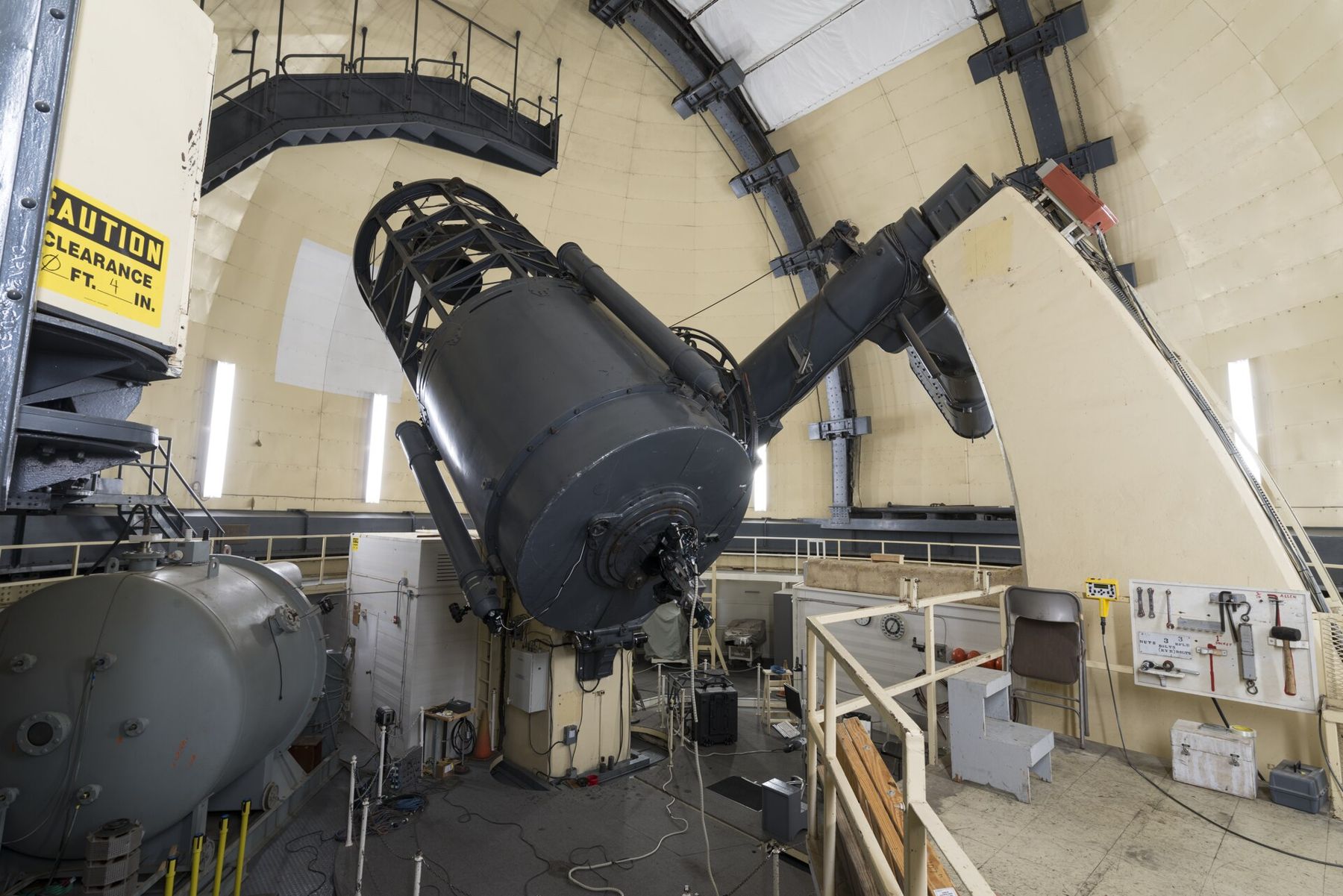
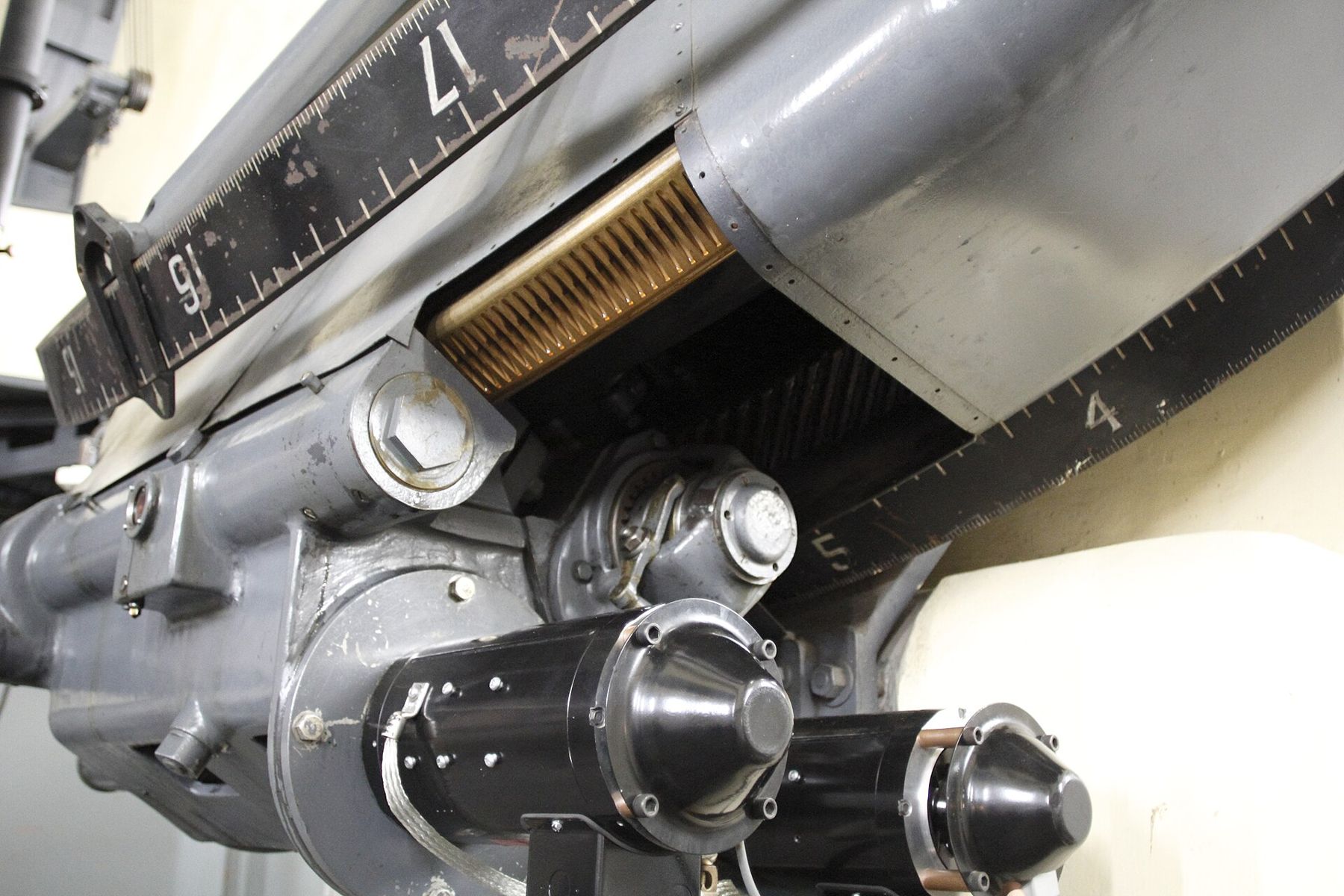
The oldest of the large instruments is the Otto Struve Telescope, with a mirror 82 inches across. When it was dedicated in 1939 it was among the largest telescopes in the world. The Harlan J. Smith Telescope, with a 107-inch mirror, followed in the 1960s. On Mount Fowlkes stands the Hobby-Eberly Telescope, which collects light with a large mirror made of many hexagonal segments and ranks among the biggest optical telescopes on Earth.
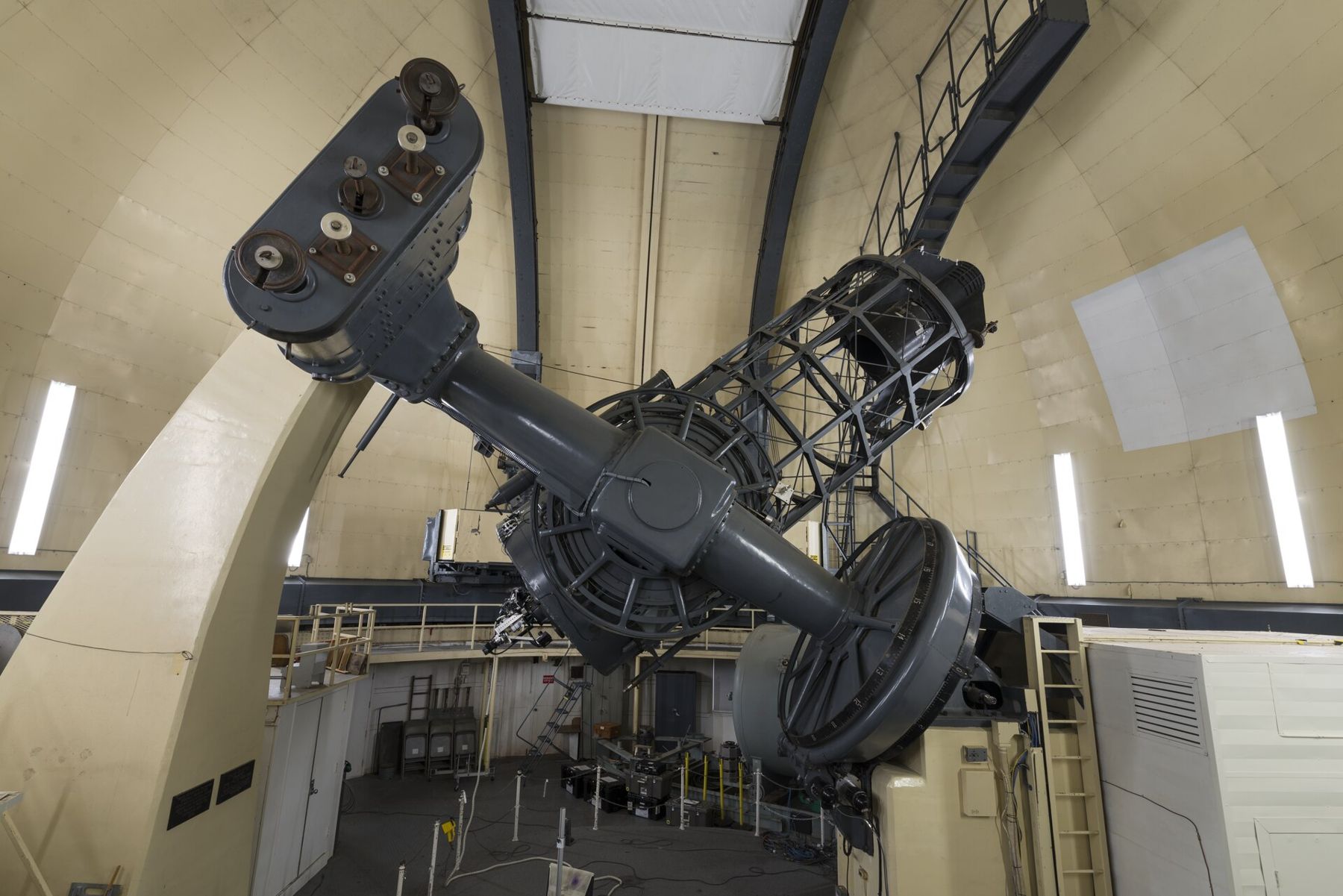
These research telescopes are not used for public viewing at star parties. Seeing them, during the day on a guided tour or simply from outside, gives you a sense of the scale of the place. The public telescopes are smaller, but the sky they point at is the same one.
Tickets, timing and the drive on Highway 118
Star parties run on set evenings, and the schedule shifts with the seasons and the time of sunset. Tickets are sold in advance and often sell out, especially on weekends, holidays and in spring and summer. Book well ahead and check the current schedule, prices and rules before you go.
The observatory lies on Highway 118, northwest of Fort Davis. The road winds up through canyon and grassland, and the final climb to the visitors center is steep. Give yourself plenty of time and arrive while it is still light, so you can find parking and get your bearings before dark.
If you have the day free, the observatory also offers daytime programs and tours, which are the usual way to see the big research telescopes up close. Combining a day visit with an evening star party makes a long but rewarding day. Fort Davis is the nearest town for a meal and a place to stay, and the drive back down after the star party is easier when you know the road from daylight.
How a star-party evening runs
A star party usually starts outdoors, in an amphitheater facing the sky. As twilight fades, a guide points out the constellations with a bright laser pointer and tells some of the stories attached to them. It is the best orientation to the night sky you are likely to get, and you will find yourself recognizing patterns for years afterward.
Then the telescopes take over. Staff and volunteers aim a range of instruments at whatever is well placed that night, and you move from one to the next in line. Depending on the season and the moon, that might include the craters along the edge of the moon, the rings of Saturn, the cloud bands and moons of Jupiter, a globular cluster, a double star with one gold and one blue sun, or the soft glow of a nebula.
TX-2 · Davis MountainsWhy altitude matters more than you'd thinkSet your expectations by eye, not by photographs. Most galaxies and nebulae look grey and faint through a telescope, because your eye cannot gather light the way a camera does over minutes. What the view lacks in color it makes up for in immediacy: that light left its source long before you were born and is landing in your eye right now.
Most galaxies and nebulae look grey and faint through a telescope, because your eye cannot gather light the way a camera does over minutes.
What the season puts overhead
The objects on offer change through the year, and knowing roughly what to expect makes the evening richer.
- Spring brings Leo and Virgo high in the evening, the Beehive Cluster in Cancer, and bright double stars such as the pair in the handle of the Big Dipper.
- Summer is Milky Way season. Scorpius and Sagittarius stand low in the south, with star clusters and glowing gas clouds scattered along the band, and the great globular cluster in Hercules passes nearly overhead.
- Autumn evenings bring Pegasus and the Andromeda Galaxy, the most distant thing most people ever see with their own eyes, along with the Double Cluster in Perseus.
- Winter belongs to Orion. The Orion Nebula, a cloud where new stars are forming, is a favorite through any telescope, and the Pleiades sparkle in binoculars.
The planets wander through all of this on their own schedules, and the moon, when it is up, is often the most popular target of the night. A night near first quarter shows long shadows along the line between light and dark on its surface, but it also washes out the fainter objects, so choose your date with that trade in mind.
Red light, warm coats and patience
The observatory protects its dark sky carefully, and so should you. Use only red light, keep it dim and pointed down, and leave flash photography and bright screens alone. White light at a star party ruins the night vision of everyone around you and can disturb the research telescopes nearby.
Dress for cold. At this height the night is chilly even in summer, and in winter it can be properly cold, often with wind across the open ground. A warm coat, hat and gloves are worth bringing in almost every season. Lines at the most popular telescopes can be long, so patience and comfortable shoes help too.
Children are usually welcome, but the evening runs late and much of it involves standing in the dark. Check the observatory's guidance on ages and accessibility before you book.
After the telescopes
Drive back down slowly with low beams when other cars are near. Mule deer and other animals cross Highway 118 constantly after dark, and the curves come quickly. Do not stop on the road to look at the sky. If you want more time under the stars, the Skyline Drive overlook in Davis Mountains State Park offers its own view, within the park's gate hours, so check them first.
The star party is also a good primer for nights farther afield. It explains why altitude matters more than you'd think, and the sky skills you learn here carry straight over to a first night in the Chisos Basin in Big Bend, a few hours' drive to the south.