Big Bend · Big Bend National Park
The Milky Way over Santa Elena Canyon, and how to photograph it
At the end of the Ross Maxwell Scenic Drive, the Rio Grande slips out of a sheer limestone gorge. On a moonless summer night the galaxy rises over it.
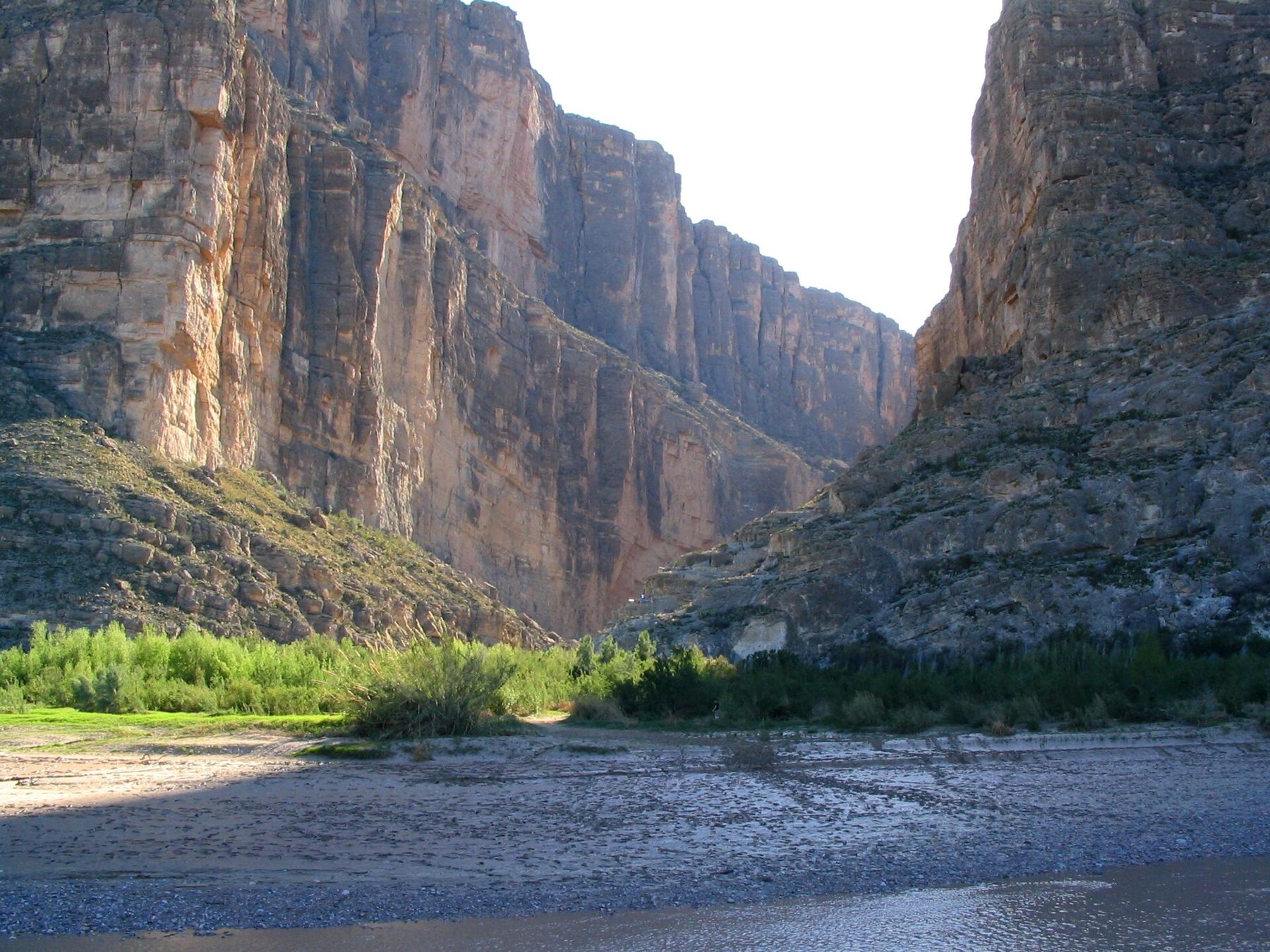
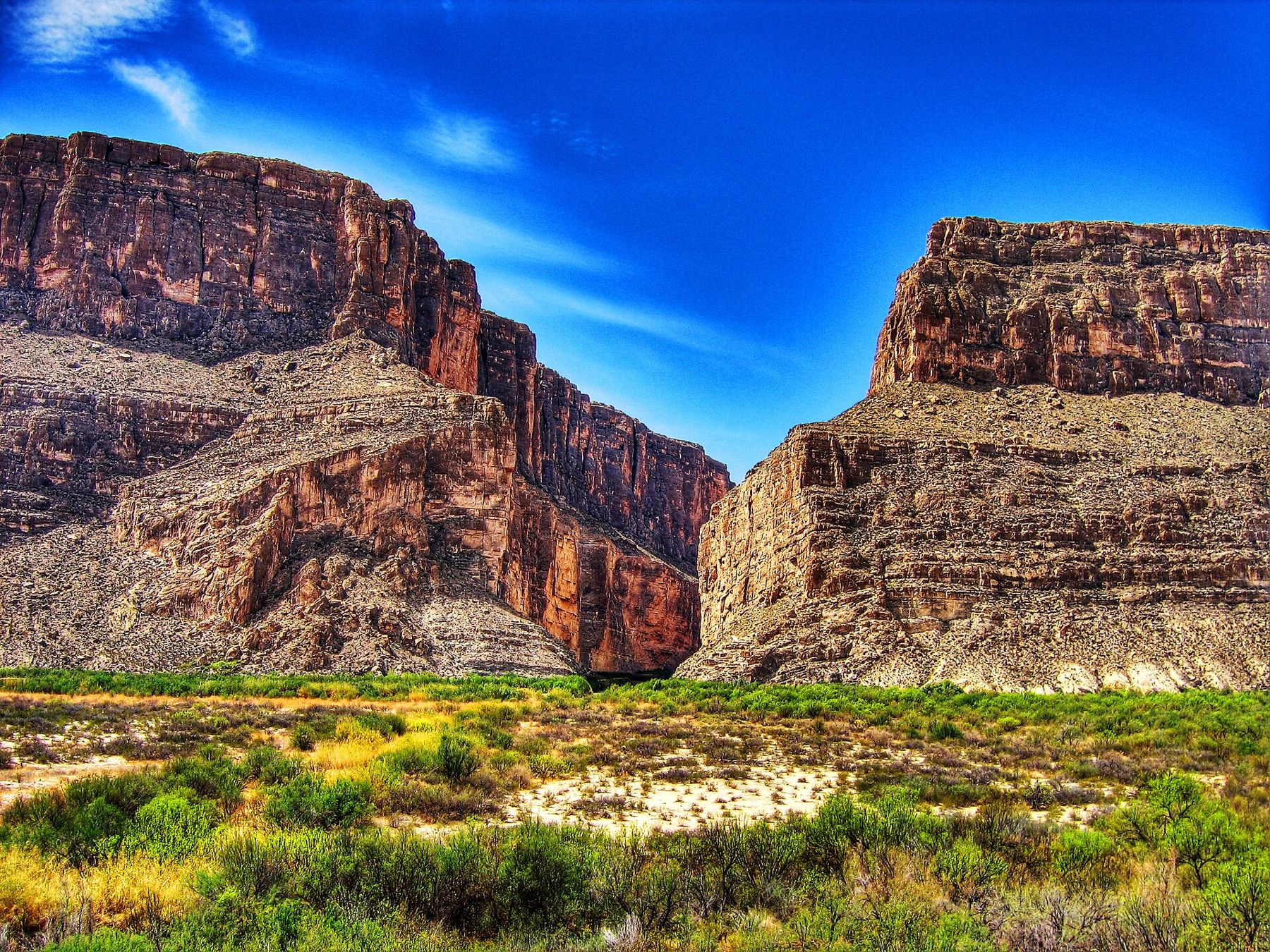
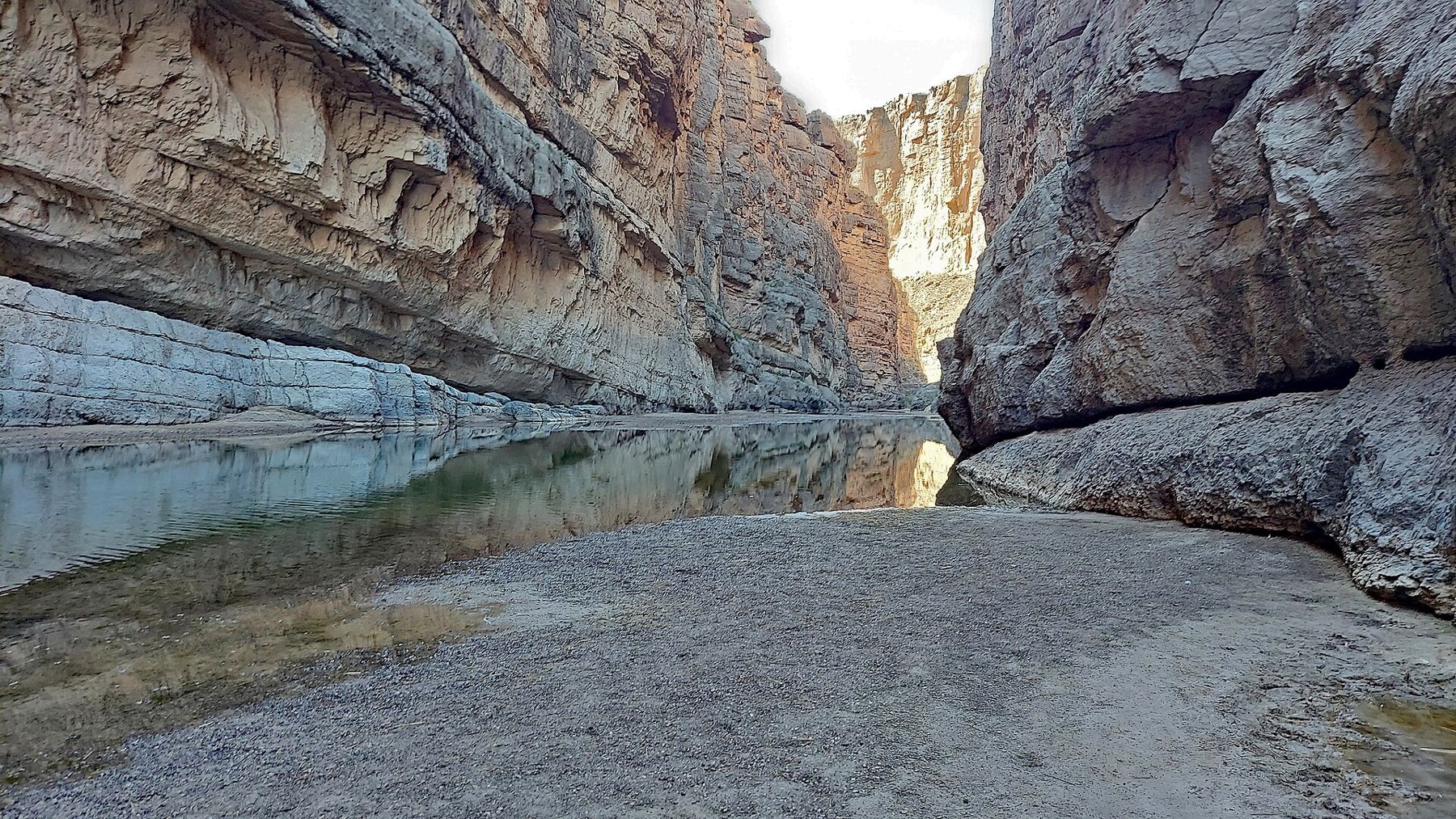
Santa Elena Canyon is one of the most striking places in Big Bend National Park. The Rio Grande, which forms the border with Mexico, has cut a narrow slot through a limestone plateau, and its walls rise about 1,500 feet straight up from the water. By day it is a famous view. After dark, with the galaxy rising beside it, it becomes one of the great night photographs in Texas.
This guide covers when the Milky Way lines up with the canyon, the camera settings that give you a fair start, and the manners that keep the place good for everyone else who is out there with a tripod.
A slot in the rock at the end of the road
The Ross Maxwell Scenic Drive runs about thirty miles from the main park road down to Castolon and on to the canyon, passing viewpoints over the Chisos Mountains, Mule Ears and Tuff Canyon. It is a fine drive in daylight and a long one at night, so arrive while you can still see the ground you plan to stand on.
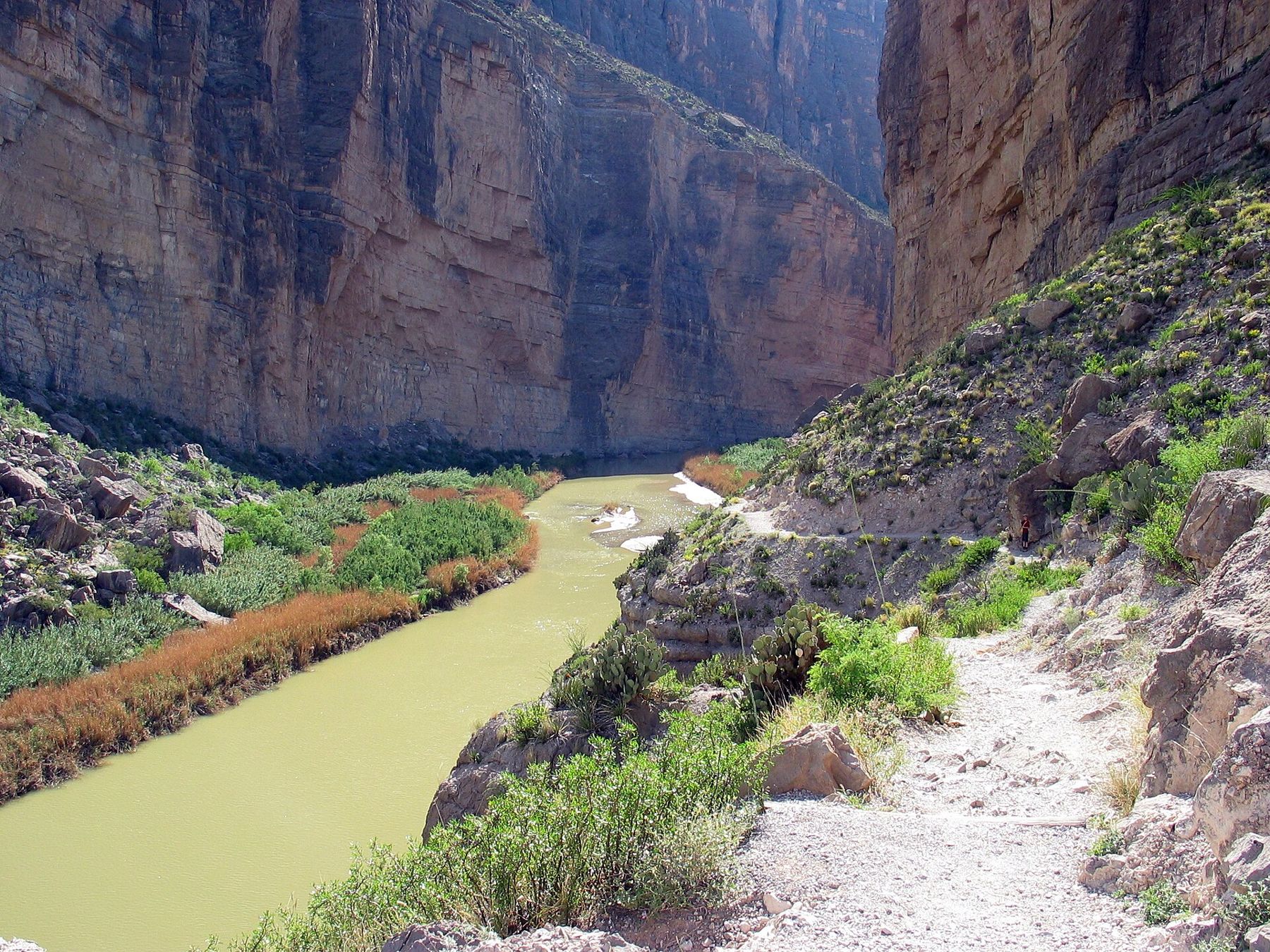
The canyon mouth opens onto a wide gravel floodplain with the river beside it. A short trail crosses Terlingua Creek and climbs into the canyon itself, but the creek can be muddy or impassable after rain, and the narrow path is no place to stumble around in the dark. Most night photographers stay on the open ground near the river, where the full height of both walls fits into a wide frame.
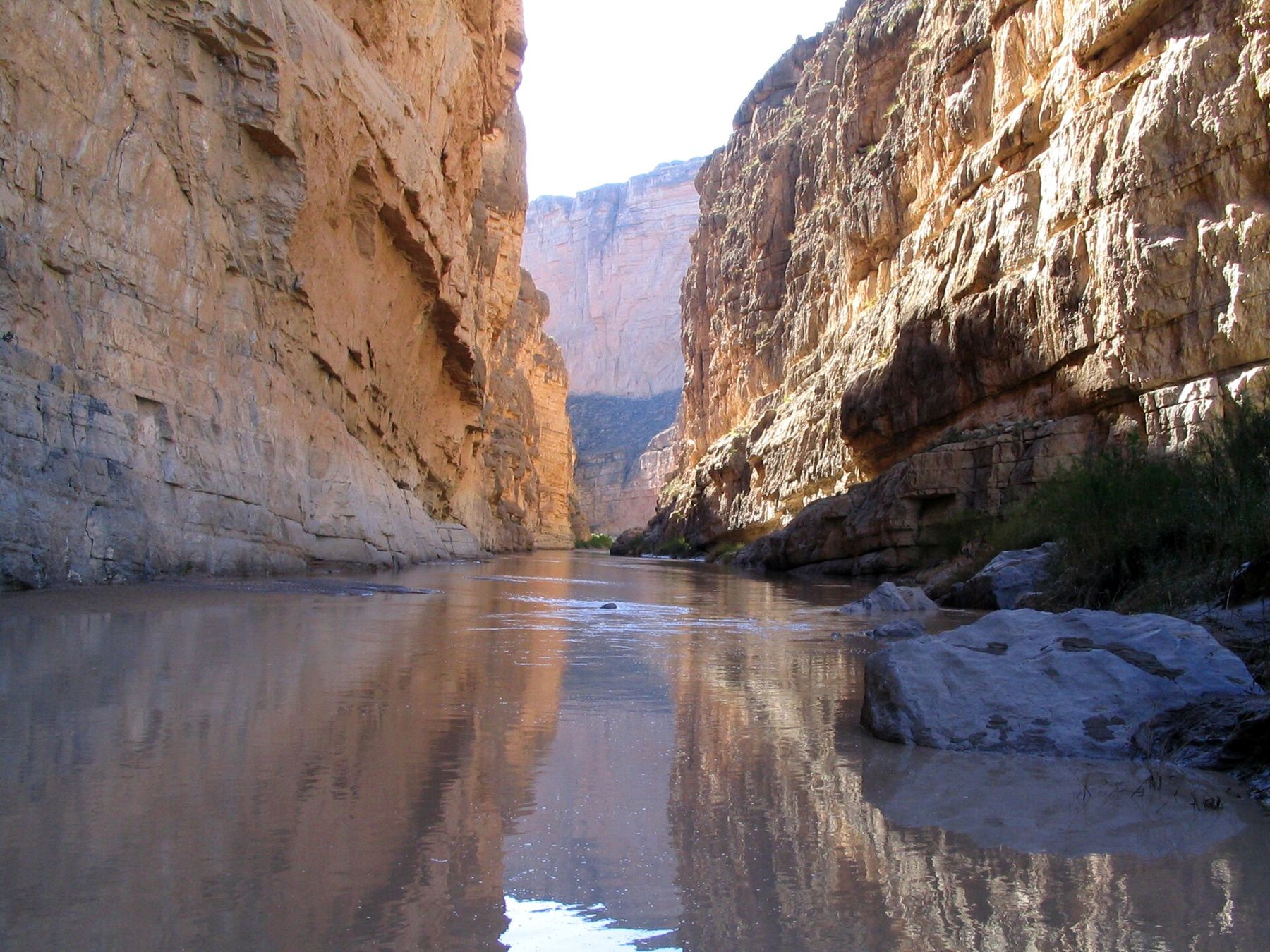
Walk the spot in daylight. Note where the river bank drops away, where the mud is soft, and which rocks make a good foreground. You will be glad of it once the light has gone. Look at the water too: on a still night the river can hold a reflection of the canyon walls and the brightest stars, while after rain upstream it runs brown and fast and shows nothing at all.
When the core lines up with the canyon
The bright core of the Milky Way lies in Sagittarius and Scorpius, and from Texas it is a southern sight. In spring it rises in the southeast before dawn. Through the summer it climbs higher and earlier, and by midsummer it is up in the evening. By early autumn it sits low in the southwest after dusk and soon slips away for the year.
From the floodplain you look roughly west into the canyon, so the alignment changes through the season and through the night. As a rule, the later in the season and the later in the evening, the farther the core has swung toward the southwest and toward the cleft. Check the angle for your exact date with a star chart or a planetarium program before you drive out, and plan your position around it.
The moon decides the rest. A bright moon drowns the galaxy, so aim for the days around new moon, or a night when the moon has already set. A thin crescent low in the west early in the evening can light the canyon walls softly without spoiling the sky, which some photographers wait for on purpose.
TX-1 · Big BendA first night in the Chisos Basin, and what your eyes will findSettings that give you a start
Night skies reward a simple, steady approach. These are starting points, not rules:
- Use a sturdy tripod and a wide lens, the faster the better.
- Open the aperture wide, and set a high ISO, often somewhere in the low thousands, then adjust after a test frame.
- Keep the exposure short enough that stars stay points. A common rule of thumb is to divide 500 by your focal length to get a rough number of seconds, then shorten it if the stars still trail.
- Focus by hand. Switch off autofocus, magnify a bright star or planet on the rear screen, and turn the ring until it is as small and sharp as it gets.
- Shoot in raw format, use a timer or remote so the camera does not shake, and turn the screen brightness down.
Take one frame of the sky and a separate, longer frame of the foreground if the canyon walls come out too dark, and blend them later. Many people prefer that to lighting the rock artificially.
Your light is in their frame, and their light is in yours.
Light, other photographers and the river
On a good summer night you may not be alone. Your light is in their frame, and their light is in yours. Keep your lamp on red and dim, point it at your feet, and switch it off as soon as you can. If you want to light the canyon walls, ask the people around you first, keep it brief and low, and stop if anyone objects. Many photographers now skip light painting altogether at dark sky sites and let a long foreground exposure do the work.
Car headlights are the other risk. Arrive before full dark, park facing away from the river, and leave interior lights off.
The river is the international boundary. Crossing it anywhere other than an official port of entry is against the law, and the water itself can be swift, cold or deep after rain upstream. Stay on the Texas bank, keep children close to you, and keep your gear well back from the edge.
The long road back
Santa Elena is a long way from anywhere. Fill your fuel tank before you head down the scenic drive, carry plenty of water, and do not count on a phone signal. Summer nights at the canyon can stay warm, while winter nights fall well below the comfort of a light jacket, so read up on the winter cold on the desert floor if you come in the cooler months.
Drive back slowly. Deer, javelinas and jackrabbits use the road at night, and the curves through the volcanic country around Castolon come up quickly. If you would rather start with the sky by eye before you try to photograph it, a first night in the Chisos Basin is a gentler place to begin. For a softer twilight subject much closer to the cities, try blue hour on the summit of Enchanted Rock.
Back home, go gently with the editing. A slight lift in contrast and a careful white balance usually serve the canyon better than heavy processing, and a sky that looks a little quieter than you hoped is often closer to what was really there. Keep the foreground dark enough to feel like night.
Above all, give yourself more than one night. Weather, haze and the moon will spoil some of them. The canyon will still be there, and the galaxy comes back around every year.