Copper Breaks · Copper Breaks State Park
Spring winds, and how to keep a tripod still
Spring on the Rolling Plains brings mild nights, a rising Milky Way and wind that rarely seems to stop. A few simple habits keep your camera and telescope steady anyway.
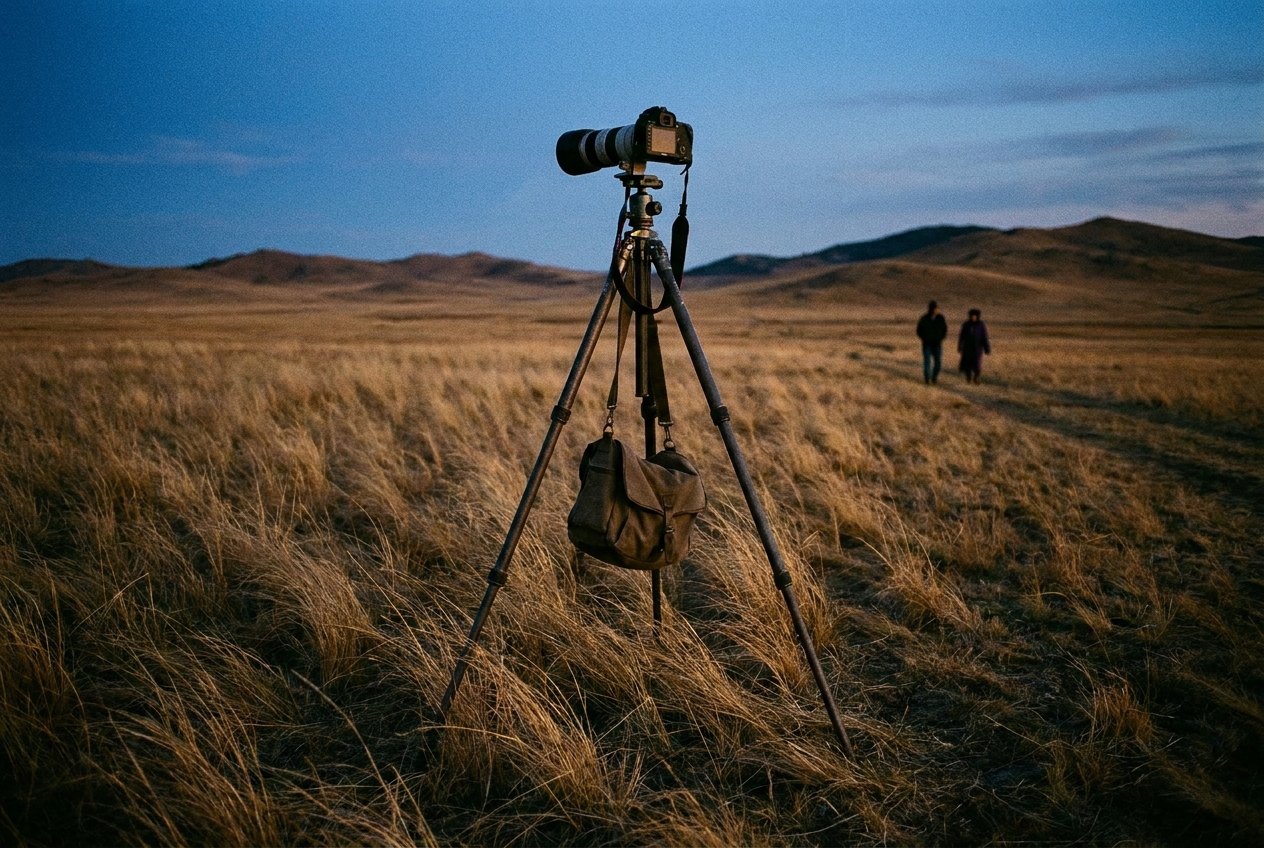
Spring is a generous season at Copper Breaks State Park. The nights are mild, the junipers on the red slopes are fresh and green, and the core of the Milky Way returns to the predawn sky in the south. It is also the windiest time of year on the Rolling Plains. Gusts sweep across the open country with little to stop them, and a tripod that stood perfectly still in the parking lot can shiver through every frame on an exposed mesa.
Wind cannot be switched off, but it can be managed. This is how to keep a camera or small telescope steady, and how to tell a calm night from a dangerous one.
Why the plains blow in spring
In spring, warm, humid air from the Gulf of Mexico meets dry air from the desert to the west and cold air still pushing down from the north. The contrasts drive strong winds across North Texas, often from the south ahead of a front and from the northwest behind it. Days with gusts strong enough to raise dust are common.
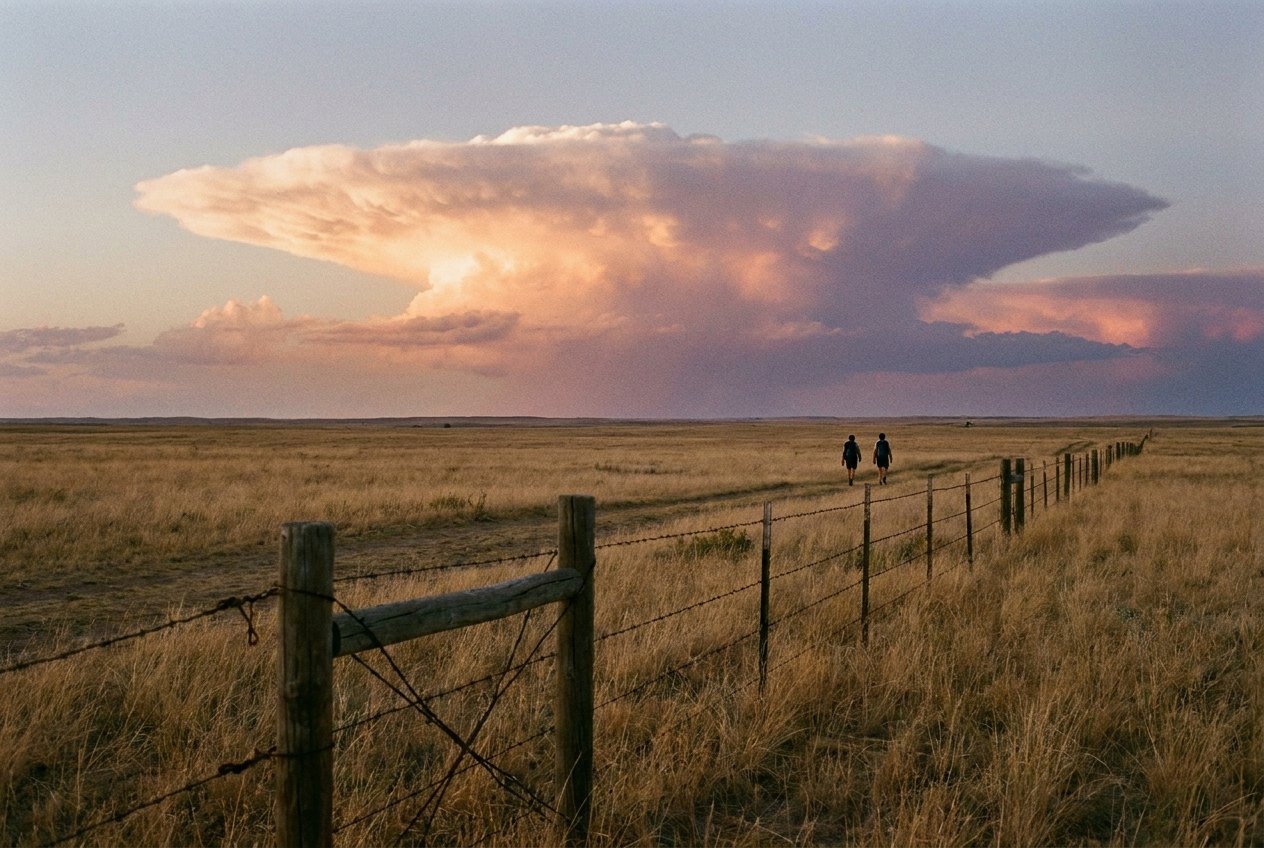
The same clash of air feeds storms. Spring into early summer is the main severe weather season here, with hail, damaging winds and tornadoes possible. A night under the stars in this season starts with the forecast.
Choosing a calm night
Not every spring night is windy. On clear nights the wind near the ground often eases after sunset, as the land cools and the lowest layer of air settles. The calmest hours tend to come late at night and before dawn, which suits a season when the Milky Way core rises in the early morning.
- Look at the hourly wind forecast, and pay attention to gusts, not only the average speed.
- Nights after a front has passed and the high pressure has settled in are often calm and very clear.
- Nights ahead of a front, with strong south winds and rising humidity, are often both windy and hazy.
- Check again before you leave home. Spring forecasts change quickly.
Making a tripod heavier and lower
A tripod resists wind best when it is heavy, low and wide. Small changes add up.
- Spread the legs wide and keep them short. Extend the thickest sections first and leave the thinnest folded.
- Leave the center column down. Raising it turns a stable base into a wobbling pole.
- Hang weight low. Many tripods have a hook under the center. A bag of stones or a water jug hung there, just touching the ground so it cannot swing, steadies the whole setup.
- Remove what catches the wind: camera straps, loose cables and large lens hoods all act like small sails.
- Press the feet in. On soft ground, work the tips down; on rock, use rubber feet and check that every leg sits firmly.
Use a remote release or the camera's timer so your hand never touches the camera during an exposure. A small telescope benefits from the same habits. Low, solid mounts ride out gusts far better than tall, thin ones.
Telescopes suffer more than cameras, because a long tube catches the wind and high magnification shows every tremor. On a breezy night, keep to low powers and wide views, lower the mount as far as you can, and turn the tube so it presents its smallest side to the gusts. Some nights are simply better spent with binoculars, lying back on a pad in the lee of a ridge.
Finding shelter in the breaks
The broken country along the Pease River gives you options that flat plains do not. The lee side of a mesa, a dip between ridges or a stand of juniper can cut the wind sharply. Scout in daylight: walk around, feel where the wind drops, and note how much sky you keep from each spot.
Your car makes a good windbreak too. Park so it stands between the wind and your tripod, and set up close behind it. Keep the interior lights off and the doors closed.
When there is no shelter at all, stand upwind of the camera between gusts, or simply wait. Gusts come and go, and a run of quiet seconds is often long enough for a frame.
Settings that forgive a little shake
For wide shots of the sky, shorter exposures help. A wider lens shows less of any movement, and a slightly higher ISO lets you cut the exposure time. Take several frames of each scene, and expect some to be soft. You keep the sharp ones.
Check your images at full size on the camera's screen now and then, with the brightness turned down, so you know whether the wind is spoiling them. Stars that look like short dashes or doubled points are the usual sign.
Storm sense on open ground
A spring storm a long way off can light the horizon with distant flashes while the sky above you stays clear. It is one of the great sights of the plains, but storms move, and some move fast. Keep an eye on the western and southwestern sky, and keep a weather radio or alerts on hand if you have them.
Thunder you can hear means lightning within striking range of the field. Pack up and wait it out in your car, away from the high, exposed ground of the mesas. If a warning is issued, follow it, and do not try to outrun a storm on unfamiliar roads at night.
On the calm nights, the reward is worth every gust you waited through. Read more about the park in big skies on the Rolling Plains, and when autumn comes, the wind eases and the Andromeda Galaxy rides high overhead. For a sheltered summer subject, try the Milky Way over Santa Elena Canyon.