Davis Mountains · Davis Mountains
Why altitude matters more than you'd think
In the Davis Mountains you stand above a good share of the atmosphere, and above much of its haze and moisture. That changes what the sky looks like.
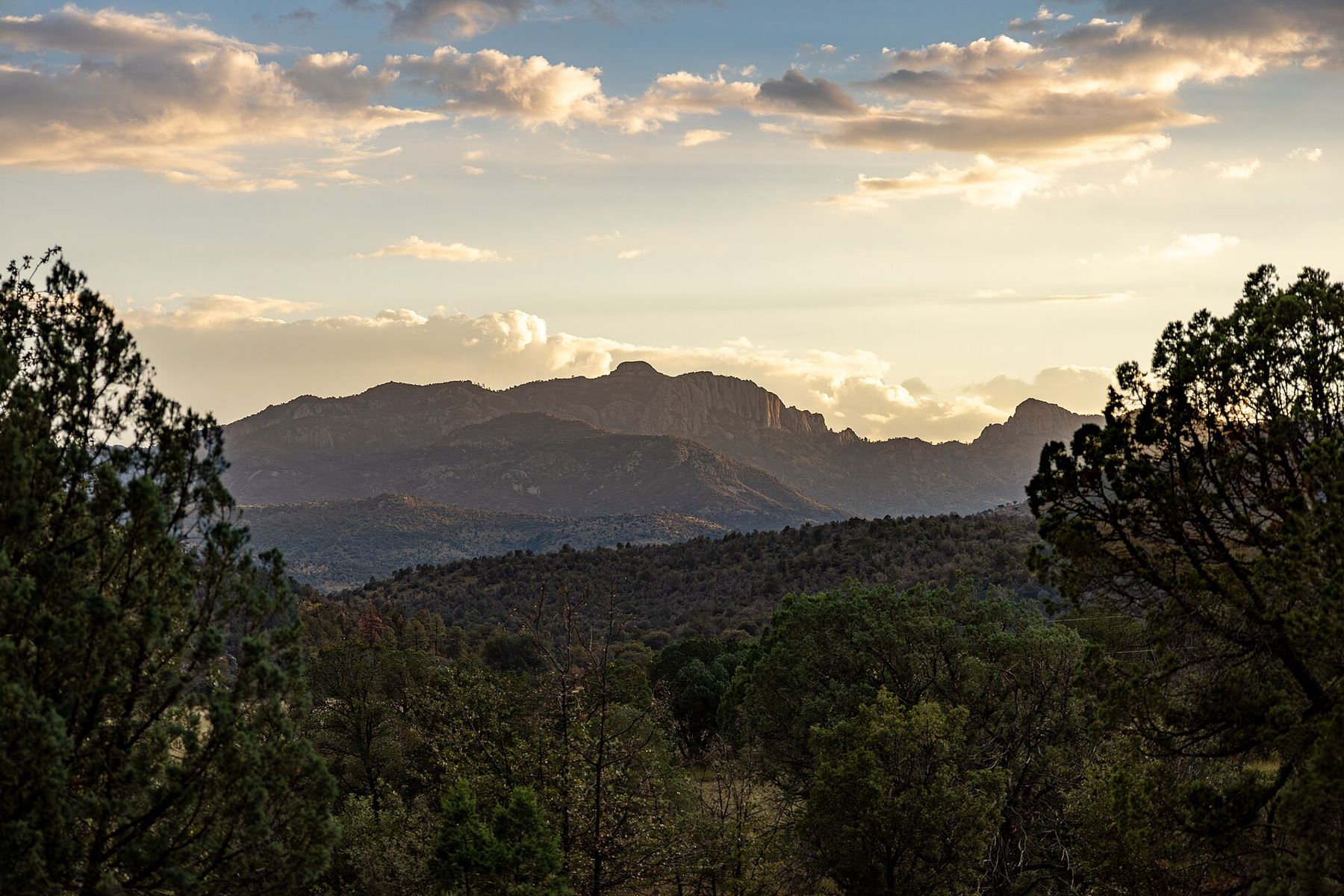
Ask an astronomer why the McDonald Observatory sits on a mountaintop in far West Texas and you will hear about darkness first. The second answer is height. The Davis Mountains lift you above a good share of the atmosphere, and above much of the moisture, dust and haze that dull the sky over lower ground. Fort Davis itself stands at around 5,000 feet, and the higher peaks reach above 8,000.
That extra height is easy to overlook. Once you know what it does, you start to see the difference.
Less air between you and the stars
The atmosphere is densest at the bottom. At around 5,000 feet, roughly a sixth of the air in the whole atmosphere is already below you. Every star you look at shines through less of it, so its light is dimmed and scattered less on the way in.
The effect is strongest low in the sky. A star near the horizon shines through a long, slanting path of air, many times thicker than the air straight overhead. At sea level, the faint stars near the horizon often vanish in a band of grey. At height, more of them hold on, and the sky stays dark lower down.
Transparency and seeing are different things
Astronomers talk about two separate qualities of the sky, and altitude helps them in different ways.
Transparency is how clear the air is: how much haze, moisture, dust or smoke sits between you and space. It decides how faint a star you can see, and how well the Milky Way, nebulae and galaxies show. High, dry places tend to have excellent transparency.
Seeing is how steady the air is. Turbulence makes stars twinkle and blurs the view of planets and close double stars in a telescope. Seeing depends on wind, terrain and the layers of air above you, and a mountain does not guarantee good seeing. Some nights the sky is clear as glass but the stars dance; other nights a slightly hazy sky is calm and steady.
For naked-eye stargazing and wide views of the Milky Way, transparency matters most, and that is where altitude pays off.
Where the haze lives
Most of the water vapor in the atmosphere sits in the lowest few thousand feet. Humid air drifting in from the Gulf of Mexico often stays low over the plains to the east, along with dust and the glow it scatters from distant towns. On many nights you can climb above the worst of it.
Inversions help too. On calm nights a layer of warm air can sit over cold air in the valleys, trapping haze below it. From a ridge or a high road you may look down on a pale layer while the sky above is sharp and black.
TX-2 · Davis MountainsAn evening star party at the McDonald ObservatoryAltitude does not protect you from everything. Smoke from distant fires and dust on windy spring days can reach high ground as well, and summer afternoon storms often build over these mountains from midsummer into early autumn. A forecast that covers cloud, humidity and smoke is worth checking before any long drive.
Dew, cold and wind on the ridges
Thin, dry air gives up heat quickly after dark. Temperatures fall fast at sunset and keep falling, so pack more warmth than the afternoon suggests. The same chill that hits the desert floor at 2 a.m. applies here, with the height added on.
Dew is less frequent than in humid lowlands, but on still, clear nights lenses and eyepieces can still fog. A hood or a small heater solves most of it.
Ridges catch wind that sheltered valleys miss. Wind shakes tripods and telescopes, cools you quickly and can carry off anything light. Set up in the lee of a slope or a vehicle, and weigh down your gear.
What height does to you
At these elevations most visitors feel fine, but the air is thinner and drier than many people expect. You may tire more quickly on a climb, and you lose water with every breath, so drink steadily even when it is cool. The sun is stronger at height, so cover up and use sunscreen during the day. Lip balm and a little moisturizer help in the dry air.
Your eyes notice the height less than your legs do. At far greater elevations, low oxygen can dull night vision, but in these mountains the bigger threats to a good night are cold, hunger and tiredness. Eat a proper meal before dark, rest after a long drive, and keep a warm drink to hand. A stargazer who is comfortable stays out longer and sees more.
Putting it to use in the Davis Mountains
You can test it for yourself. On a clear, moonless night, find a familiar constellation and count the stars you can see inside it, then do the same on a night in a city or the lowlands. The difference is usually large. Another simple test is the Milky Way near the horizon: in hazy lowland air it fades out well above the skyline, while on a good mountain night it seems to run right down to the ground.
The easiest way to enjoy this sky is at an evening star party at the McDonald Observatory, or from the Skyline Drive overlook in Davis Mountains State Park, within the park's hours. To the south, the Chisos Basin in Big Bend sits at a similar height, which is one more reason a first night in the Chisos Basin feels so dark.