Big Bend · Big Bend National Park
Winter on the desert floor, and what to wear at 2 a.m.
A warm afternoon in Big Bend can turn into a night below freezing. Here is why the desert loses its heat so fast, and how to stay out under the stars anyway.
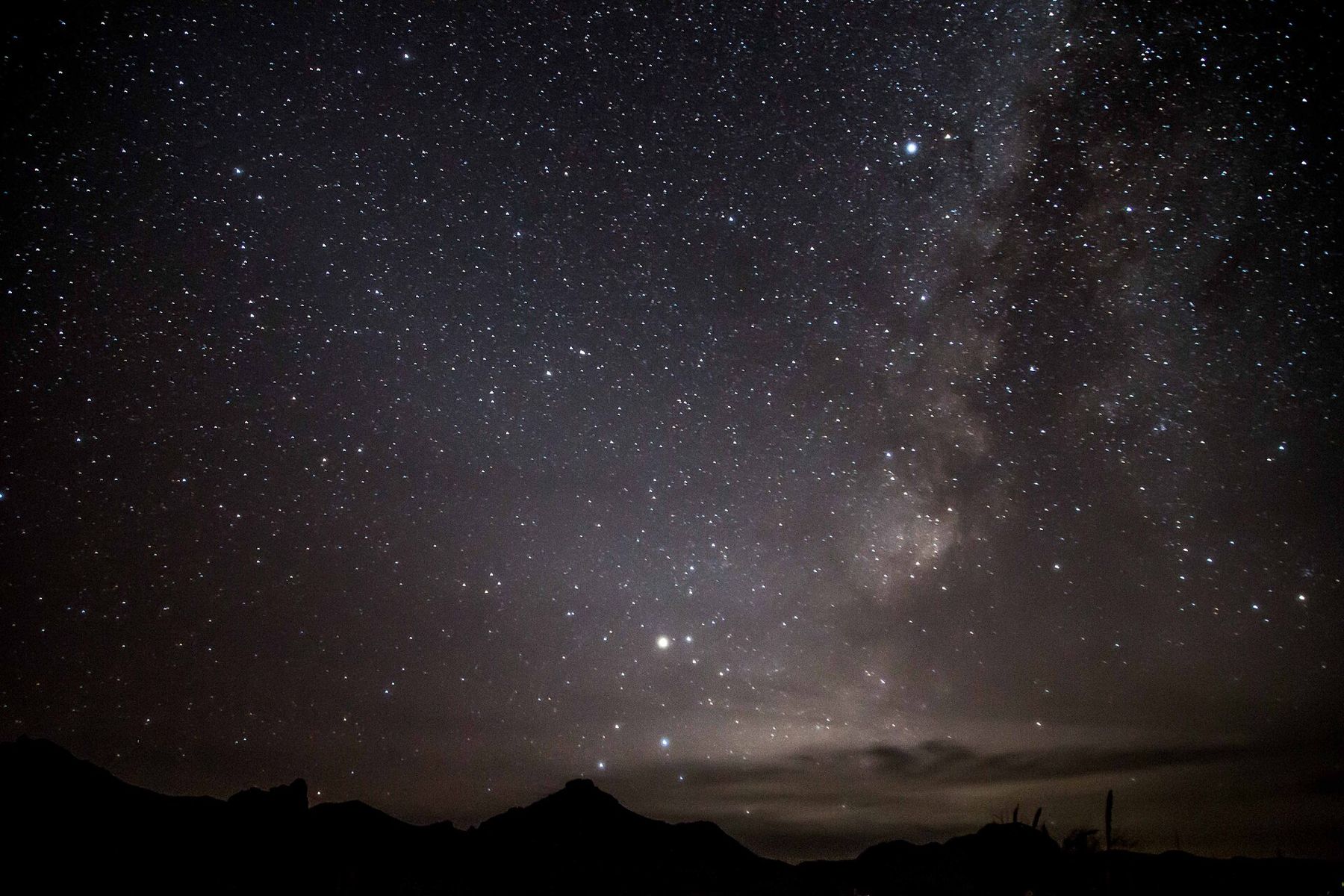
Big Bend in winter can fool you. The afternoon is bright and mild, you are in a shirt, and the desert smells of creosote and warm rock. Then the sun goes down behind the mountains and the temperature starts to fall, and it keeps falling until long after midnight. Nights below freezing are common on the desert floor in the cooler months, even after a day that felt like spring.
The same clear, dry air that makes the stars so sharp is the reason the night gets so cold. Understanding that helps you dress for it.
Why the desert gives up its heat so fast
Everything warm sends heat out as infrared light. During the day the sun more than makes up for it. After sunset, the ground keeps radiating, and on a clear night there is little to stop that heat escaping straight up into space. Clouds and water vapor act like a blanket and send some of it back. In the dry Chihuahuan Desert there is very little of either, so the ground, and the air just above it, cools quickly.
Calm nights make it worse. Without wind to stir it, the coldest air settles into low ground, drains down washes and pools in hollows. A spot on a slight rise can feel several degrees warmer than the dry creek bed a short walk below. Swings of thirty degrees or more between afternoon and the small hours are normal here.
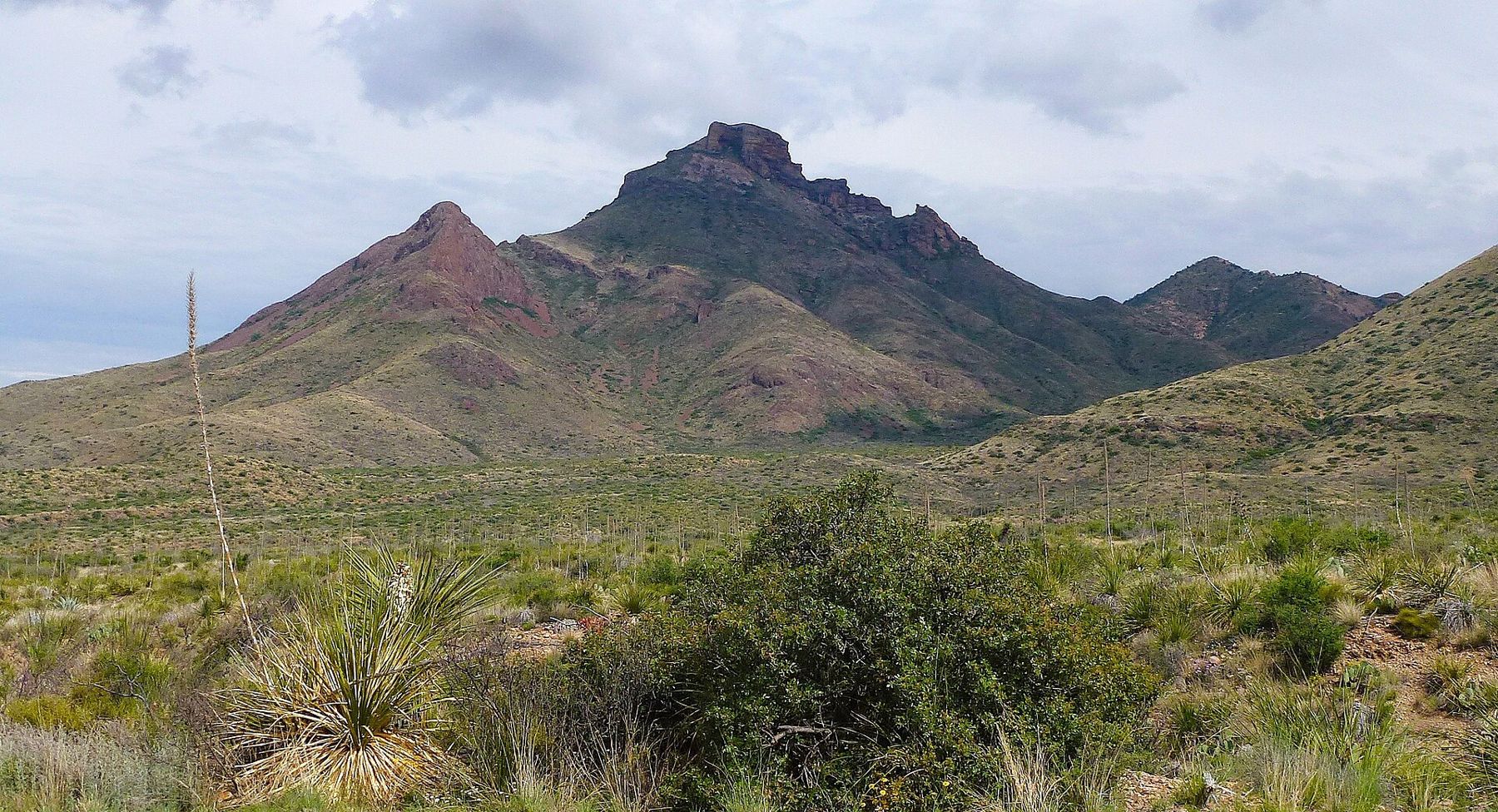
Layers you add, rather than swap
The trick is to start warm and add clothing before you feel cold, not after. Once you are chilled through, it is hard to warm up again while sitting still.
- A base layer that wicks moisture, not cotton.
- One or two warm middle layers, such as fleece or wool.
- A puffy insulated jacket, larger than you think you need, to pull over everything.
- A windproof shell for nights with a breeze.
- A warm hat that covers your ears, and a neck gaiter or scarf.
- Thin liner gloves for camera buttons, with mittens to pull over them.
- Thick socks and insulated boots, with a spare pair of socks.
Stargazing is mostly sitting, and sitting is cold. Insulated trousers or a blanket over your legs help a great deal.
The ground, your hands and the hours after midnight
The ground steals heat faster than the air. A closed-cell foam pad under you, or a chair that lifts you off the dirt, makes a real difference. A sleeping bag draped over your lap turns a long session from a test of endurance into a pleasure.
Your body needs fuel to stay warm. Eat something with fat and sugar in it, and bring a hot drink in a thermos. Get up and walk around every so often, with a red light pointed at your feet. Watch where you step: in the warmer months rattlesnakes and scorpions are about at night, and even in winter a mild spell can bring them out.
TX-1 · Big BendA first night in the Chisos Basin, and what your eyes will findPlan around the clock. The coldest hour usually comes just before dawn, so if you mean to stay out late, the clothes you start in at dusk will not be enough at 2 a.m. Bring the extra layers out with you rather than leaving them in the car.
Dew, frost and the glass you are looking through
When the air cools to its dew point, moisture condenses on anything colder than the air around it. Lenses and eyepieces, which radiate heat to the sky, are often the first things to fog. In the desert this happens less often than in humid country, but it still happens, and on the coldest nights it turns to frost.
- A lens hood or dew shield slows the cooling of the front glass.
- Small battery-powered dew heaters keep optics just above the dew point.
- Keep caps on eyepieces and lenses when you are not using them.
- Never breathe on cold glass to clear it or wipe frost off it.
Cold also drains batteries. Keep spares in an inside pocket. When you finish, seal cameras in a bag before you take them into a warm room or car, and let them warm up slowly so condensation forms on the bag, not inside the lens.
Drink, even when you are not thirsty
Dry desert air pulls water out of you with every breath, and cold weather blunts thirst. People get dehydrated in winter here without noticing. Carry more water than you think you need, drink steadily through the evening, and keep a bottle in the car. Fresh water is scarce across much of the park, so fill up before you set out.
The drive home in the dark
Big Bend's roads are long and empty at night. Fill the fuel tank before you leave the main areas of the park, and do not rely on a phone signal. Deer, javelinas and other animals cross without warning, so keep your speed down. On the coldest nights, shaded bends on higher roads can hold ice.
If the cold appeals more than it frightens, the reward is a sky at its steadiest. Winter brings Orion, the Pleiades and the long, faint arc of the winter Milky Way, and from the Chisos Basin or the floodplain at Santa Elena Canyon you will share it with very few people. The same rules hold farther north, where altitude in the Davis Mountains adds its own chill.