Davis Mountains · Davis Mountains State Park
The Skyline Drive overlook after sunset
A narrow road climbs out of Keesey Canyon to the ridgetops of Davis Mountains State Park. At dusk it gives you the town of Fort Davis below, the mountains around it and the first stars above.
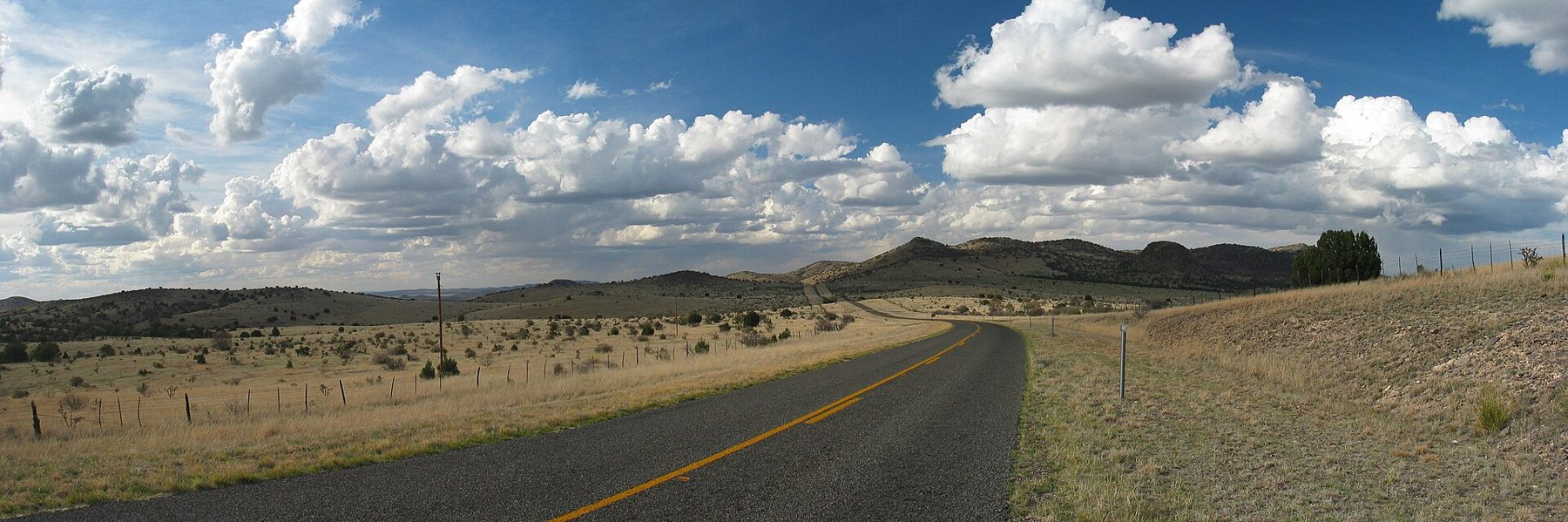
Davis Mountains State Park lies in Keesey Canyon, a few miles from the town of Fort Davis, among grassy slopes and rounded volcanic hills. From the canyon floor a narrow paved road, Skyline Drive, climbs in tight bends to the ridgetops, where overlooks open onto the mountains on every side. In daylight it is a fine view. In the last half hour of light and the first hour of dark, it becomes one of the gentlest ways to watch a West Texas night begin.
This is about that hour: what you see, when to be there, and how to get back down safely.
A road built for looking out
Skyline Drive was laid out in the 1930s, when the Civilian Conservation Corps built much of the park, including the stone shelter at the top and the white, pueblo-style lodge you pass near the park entrance. The road is short, but it gains a good deal of height, and each bend widens the view.
From the overlooks you can see down over the canyon, across to the town of Fort Davis in its valley, and out to the ranges and grasslands beyond. To the northwest lie the higher peaks around Mount Locke, home of the McDonald Observatory. The country is volcanic in origin, and the hills have the soft, worn shapes of very old lava and ash.
Gates, hours and the park's rules
Skyline Drive is part of a state park, with the hours and rules that come with it. The drive has its own opening times, and its gate may close in the evening, separate from the park itself. Day-use visitors also need to leave by the park's closing time unless they have an overnight reservation. These details change, so check the current hours, pass requirements and any after-dark rules before you go, and plan your evening around them.
Arrive in good time. Find a pullout or parking space at an overlook while it is still light, look around the edges, and work out where you will stand. The rocks near the edges are uneven, and some drops are steep.
The light goes, the sky arrives
Sunset from the ridge is quick and wide. The sun drops behind the western mountains, the valleys fill with shadow first, and the ridgetops hold the last warm light a little longer. Look east as well as west. The far hills turn violet and grey as the light leaves them.
Then the first points of light appear. A bright planet, when one is in the evening sky, comes first, low in the west or south. Next come the brightest stars: Arcturus and Vega in summer, Capella and the stars of Orion in winter. Within the hour the familiar constellations have assembled, and the Big Dipper swings over the northern ridges.
TX-2 · Davis MountainsAn evening star party at the McDonald ObservatoryBelow you, the town of Fort Davis switches on its lights. They are few and soft, and the region around the observatory works to keep outdoor lighting low and shielded. Watching a small town's lights from above while the sky fills with stars is a reminder of how much darkness depends on choices made on the ground.
Binoculars on the ridge
Timing is easy to misjudge. The sky does not go fully dark until the sun is well below the horizon, roughly an hour and a half after sunset depending on the season, and in the mountains the valleys darken long before the ridges. Plan to arrive about an hour before sunset, stay through the first stars, and leave with the gate time in mind rather than waiting for full darkness on the ridge.
Binoculars are the ideal tool for this hour. They need no setup, and they work in the half light. Sweep along the western sky after sunset to find a planet before the eye catches it, then watch a thin crescent moon if one is up, with the dark part of its face faintly lit by sunlight reflected from the Earth.
As darkness deepens, turn them to the brighter clusters. The Pleiades in the cooler months, or the starfields of the summer Milky Way rising in the south, look wonderful even through small binoculars. Brace your elbows on a rock or on the roof of the car to steady the view.
Thin air and a cold wind
The ridge stands well above the canyon floor, and the drier, thinner air is part of why stars look so sharp here; there is more on that in why altitude matters more than you'd think. It also means the temperature falls fast once the sun is gone. A breeze on the ridgetop adds to the chill, even on a summer evening. Bring a warm layer, a hat and gloves for most of the year.
Summer afternoons often bring storms to these mountains from midsummer into early autumn. They usually ease by evening, but lightning on the ridges is dangerous. If you hear thunder, leave the overlook and wait in your car.
The drive back down
The road down is the part to take seriously. It is narrow, steep and full of tight bends, and in the dark it is easy to misjudge. Start down before the gate time with a margin to spare, use low gears, and keep your speed low.
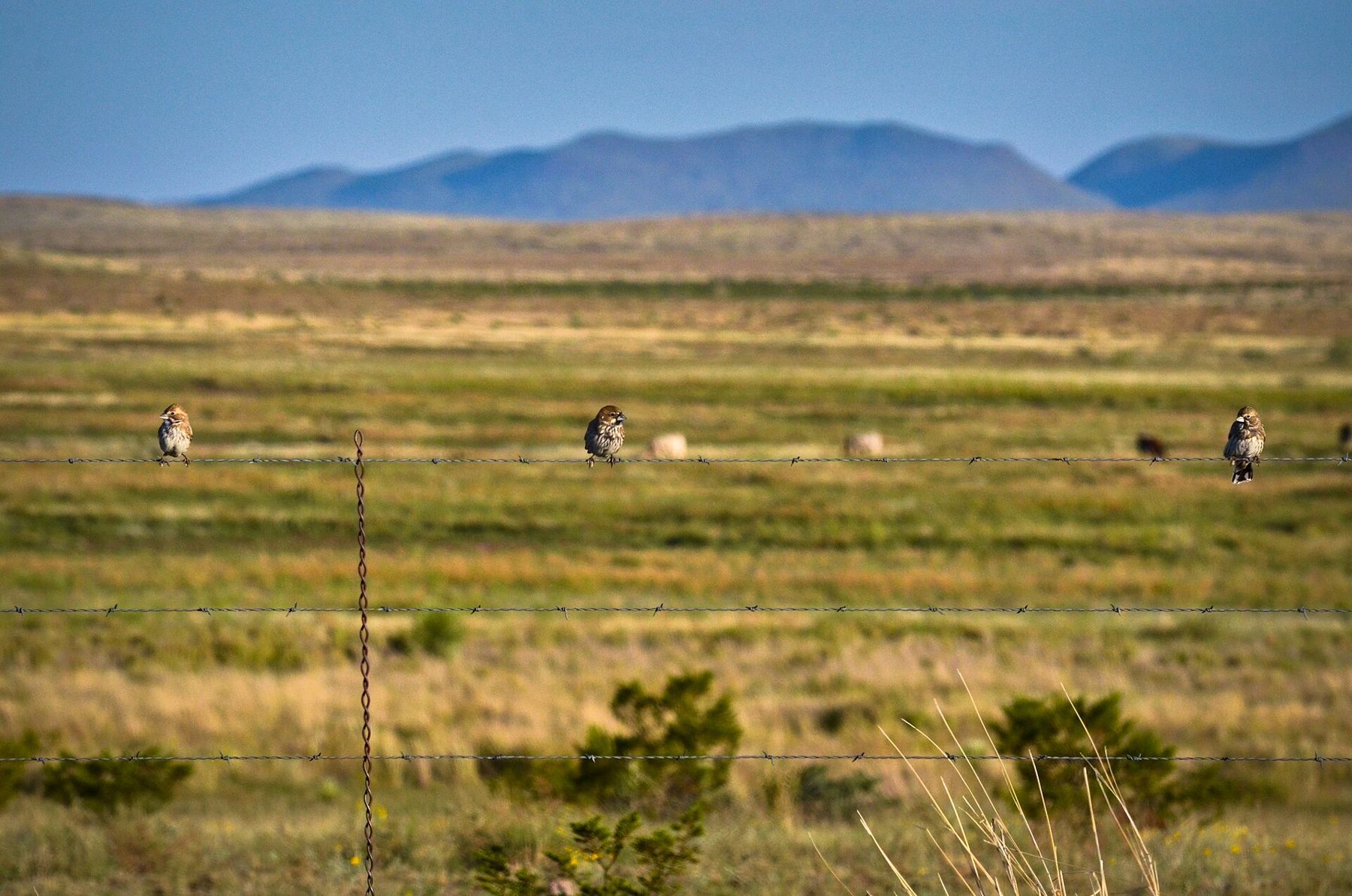
Mule deer and javelinas are common in the park, and they step onto the road without warning after dark. Watch the verges, keep your headlights low when you see others watching the sky, and do not stop on the road itself to look up.
If the evening leaves you wanting more, the star parties at the McDonald Observatory are only a short drive away up Highway 118, on set evenings with tickets. Farther south, a first night in the Chisos Basin offers a deeper darkness, and some of the coldest nights in Texas, described in what to wear at 2 a.m..