Big Bend · Big Bend National Park
A first night in the Chisos Basin, and what your eyes will find
Ringed by peaks and open to the west through the Window, the basin in Big Bend National Park is a gentle place to meet a truly dark sky without a telescope.
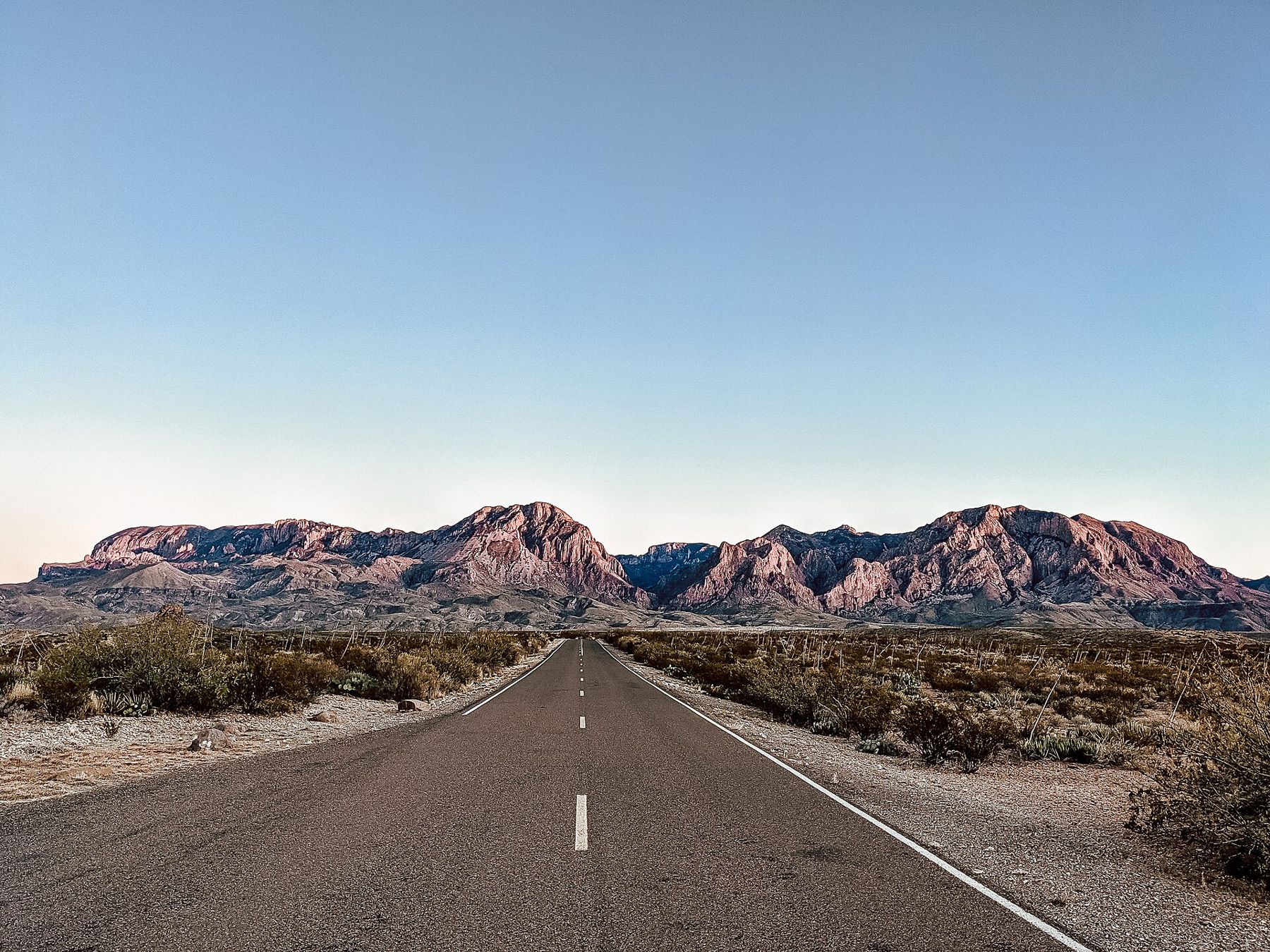
The road climbs out of the desert in a long run of bends, and by the time you reach the Chisos Basin the air has changed. It is cooler, it smells of pine and juniper, and the walls of the Chisos Mountains close around you on almost every side. Big Bend National Park is an International Dark Sky Park, and the basin is one of the easiest places in it to spend a first night under that sky, with a ring of peaks for company and a single gap in the west called the Window.
This is about what you can expect to see with nothing but your own eyes, on a clear night with no moon. No telescope and no camera, only the time it takes for your vision to adjust and the patience to keep looking up.
A bowl of rock at the top of the road
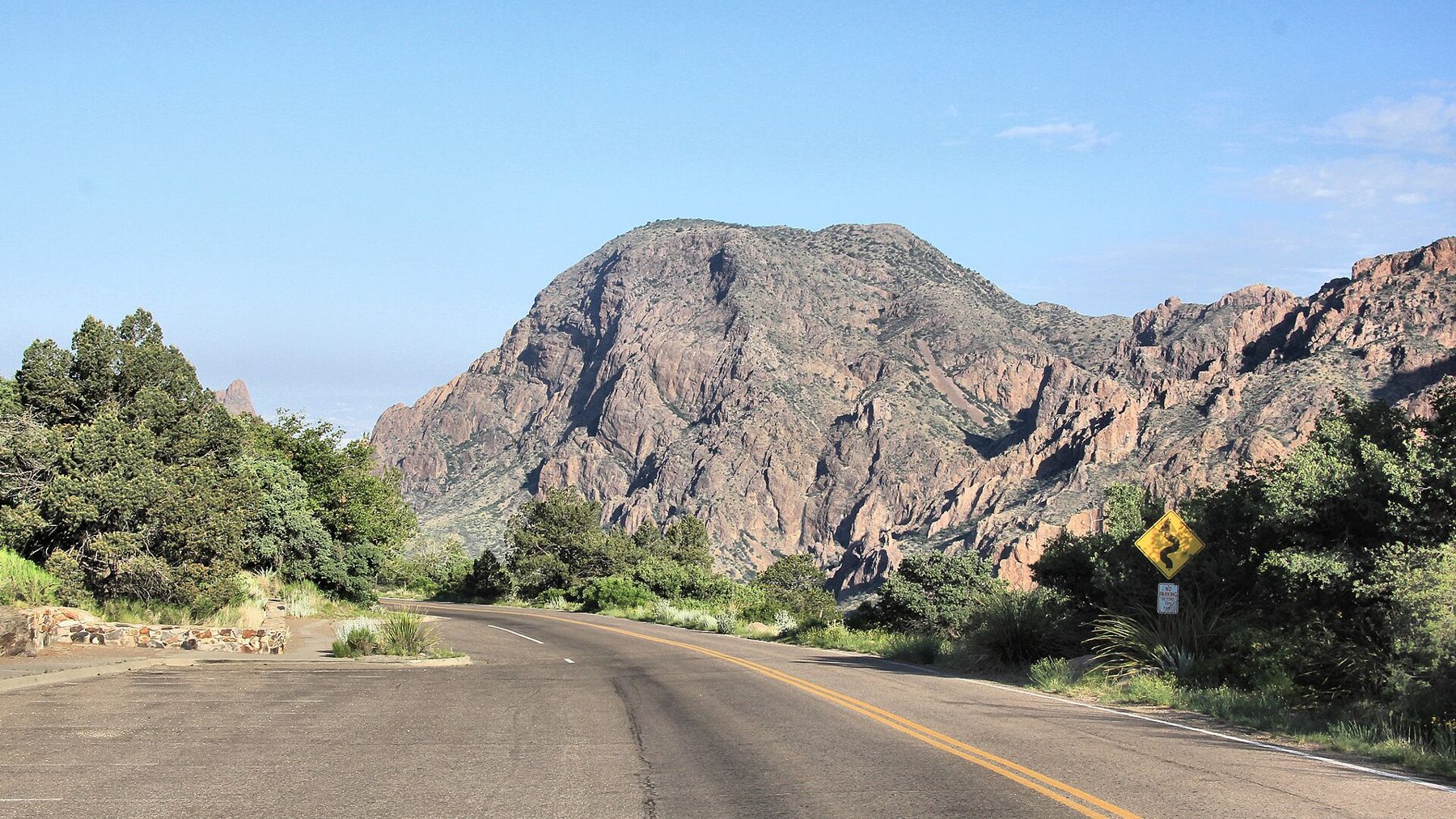
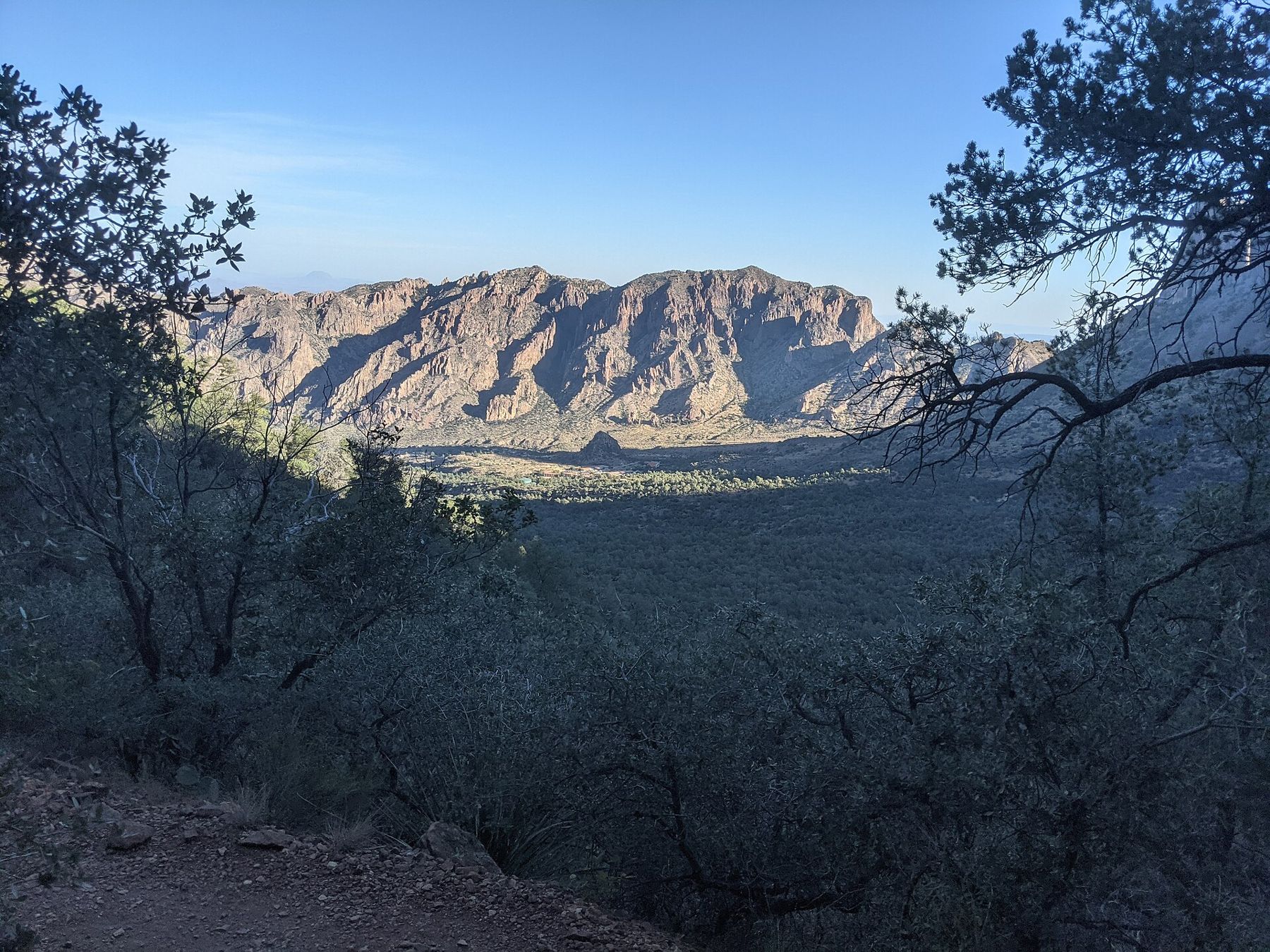
The basin sits at roughly 5,400 feet, a high hollow ringed by Casa Grande, Toll Mountain, Pulliam Ridge and the slopes that rise toward Emory Peak, the highest point in the park. The walls cut off the lowest part of the sky, which sounds like a loss but works in your favor. Whatever faint glow there is on the far horizons stays hidden behind rock, and what you get instead is a large, dark disc overhead, framed by black skylines.
The Window is the one opening. It is a narrow V in the western wall, where the basin drains out through a pour-off and drops toward the desert below. At sunset it frames the last light, and after dark it frames the lowest stars in the west, which makes it the natural place to watch for anything that hugs the western horizon after dusk.
The first hour, while your eyes catch up
Your eyes need time. Most of the change happens in the first twenty to thirty minutes after you leave bright light behind, and the sky keeps deepening for a while after that. One glance at a phone screen or a white headlamp sets you back to the start, so switch every light you carry to red and keep it pointed at the ground.
The sky fills in layers. Planets appear first, then the brightest stars, then the familiar patterns. Full darkness only arrives when the sun is well below the horizon, roughly an hour and a half after sunset, depending on the time of year. Until then the western sky over the Window holds a pale band of twilight. Be patient with it. The best part of the night has not started yet.
Lie back if you can. A reclining chair or a mat on the ground lets you take in the whole dome without craning your neck, and you will notice far more when you are comfortable and still.
The Milky Way, the glow in the west and the faint light everywhere
The Milky Way
On a summer evening the bright core of the galaxy stands in the south, in Sagittarius and Scorpius, and from this far south in Texas it rides higher than it does for most of the country. Dark lanes of dust split the band from Cygnus overhead down toward the southern skyline. The basin walls clip the very bottom of it, so move to open ground with a low view to the south if you can. From spring the core is up before dawn; by early autumn it is sinking into the southwest after dusk.
In winter the Milky Way runs through Orion, Gemini, Auriga, Perseus and Cassiopeia. That is the outer part of our galaxy, fainter and less dramatic, but on a dark night in the basin you can still trace it from horizon to horizon.
Zodiacal light
After dusk in late winter and spring, a faint, tilted cone of light can rise from the western horizon along the path the sun and planets follow. This is zodiacal light, sunlight scattered by dust in the plane of the solar system. It is easy to mistake for the last of twilight or a distant town, but it keeps glowing after twilight ends and leans along the line of the ecliptic. In autumn it shows instead in the east before dawn. In the basin, look for it through the Window on spring evenings.
TX-1 · Big BendThe Milky Way over Santa Elena Canyon, and how to photograph itAirglow
Even the darkest sky is not perfectly black. High in the atmosphere, molecules give off a faint light of their own, and where there is almost no artificial light, as here, you may notice a soft grey sheen across the sky, sometimes with faint bands toward the horizon. Cameras record it in greens and reds. To the eye it is subtle, a sign that the sky has become as dark as skies get.
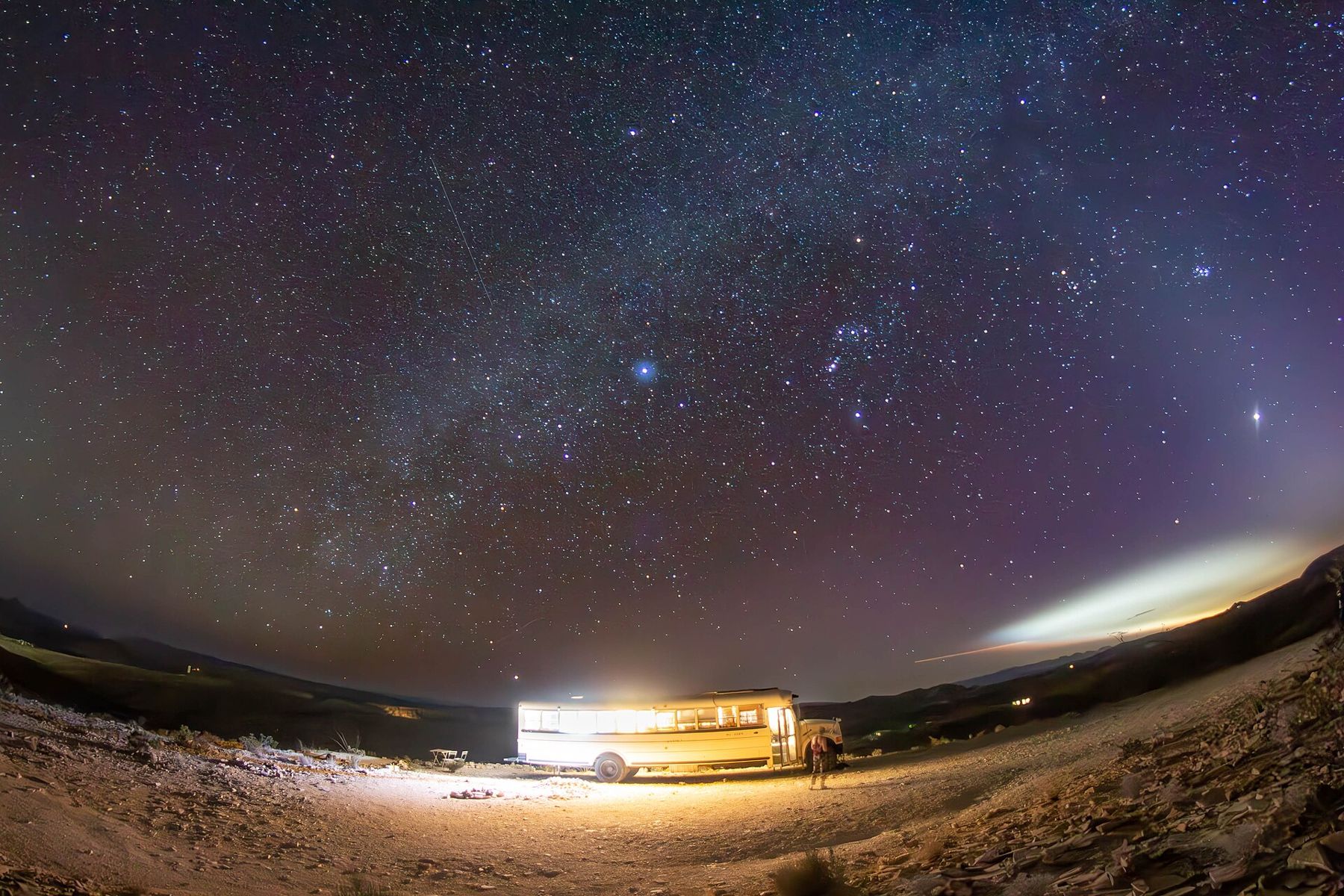
That photograph also shows the problem with stray light. One lit vehicle brightens a wide circle of ground, and on a calm night that light carries a long way.
The walls cut off the lowest part of the sky, which sounds like a loss but works in your favor.
Choosing your night
The moon matters more than anything else. A bright moon washes out the Milky Way entirely, so aim for the week either side of new moon, or a night when the moon sets early or rises late. Check the moon phase and rise time before you drive in.
Season changes the show. Spring brings zodiacal light in the evening and the core before dawn. Summer gives the core in the evening, but afternoon storms often build over the mountains from midsummer into early autumn, and the sky may or may not clear by night. Autumn tends to be dry and clear. Winter nights are long and steady, and the basin and the desert floor below both get properly cold, so read up on what to wear at 2 a.m. before you go.
The height of the basin helps for the same reasons altitude matters in the Davis Mountains to the north: less air and less moisture between you and the stars. If you would like to see the same sky through a large telescope, an evening star party at the McDonald Observatory is a few hours' drive away near Fort Davis.
Keeping the basin dark, and yourself safe
A dark sky park is only dark if everyone keeps it that way. Use red light, keep it dim and low, and avoid shining it toward other people or across the basin. Park with headlights pointed away from anyone watching the sky, and keep interior lights off when you open doors.
The park runs ranger programs on night skies at some times of year, and the schedule changes, so check what is on before you go. Facilities in the basin have also been under redevelopment, so confirm what is open, including places to stay the night and to fill water bottles.
Black bears and mountain lions live in the Chisos. Follow the park's food storage rules, keep children close, and do not walk off alone into the brush in the dark. In the warm months, rattlesnakes and scorpions are active at night: watch where you put your hands and feet, and use your red light on the path.
Big Bend is remote. Fuel stations are few and far apart, and so is drinking water, so fill up before you enter the park and carry more water than you think you need. The road down from the basin is steep with tight curves. Drive it slowly after dark, and watch for deer and javelinas on the shoulders.